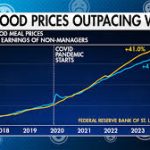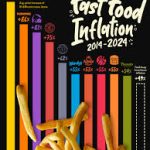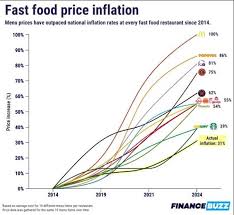
Fast food prices have risen significantly over the past few years due to inflation, supply chain issues, and rising labor costs. This trend impacts consumer spending and forces people to re-evaluate their dining habits and budgets.
Understanding Fast Food Price Increases
What Is Driving Up Fast Food Costs?
Several big things are making your favorite fast food meals cost more. Think of it like a perfect storm. All these issues hit at once.
This pushes prices higher and higher.
One of the biggest players is inflation. Inflation means that money buys less than it used to. The cost of everything goes up.
This includes the ingredients for your food. It also includes the packaging your food comes in. Even the gas used to deliver supplies costs more.
Then there are supply chain problems. These happened a lot recently. Factories couldn’t make things.
Trucks couldn’t deliver them. This made it harder to get beef, chicken, lettuce, and even paper for wrappers. When things are hard to get, they usually cost more.
Labor is another huge factor. People want to be paid more. Especially now, with the cost of living going up.
Fast food restaurants have to pay their workers more. This includes cooks, cashiers, and delivery drivers. To cover these higher wages, they have to charge more for meals.
These three things – inflation, supply chain woes, and higher labor costs – all work together. They create a pressure cooker for fast food prices. It’s not just one thing.
It’s a mix of many economic forces.
My Own Fast Food Sticker Shock Story
I remember one evening, after a really long day at work, I just wanted something quick and easy. I decided on my usual drive-thru order. It was a simple combo meal.
Nothing fancy. I pulled up to the speaker, ready to order. But when the total came up, I blinked.
It was almost two dollars more than I remembered from just a few weeks before. I actually asked the person through the speaker if they had added something extra by mistake. They said no.
That’s just the new price. I felt a little stunned. It made me think twice about my go-to quick meal.
That small increase felt like a big jump for something I considered a cheap option.
Fast Food Inflation: A Closer Look
What’s up? Prices are climbing faster than before.
Key Drivers:
- Food Costs: Ingredients like beef, chicken, and grains are pricier.
- Energy Costs: Gas and electricity bills for restaurants are higher.
- Wages: Pay for fast food workers has gone up.
- Shipping: Getting supplies to the restaurants costs more.
Impact: Your favorite meals cost more money.
How Much Have Prices Really Gone Up?
It’s hard to give one exact number. Prices change from place to place. They also change for different menu items.
But we can look at trends. Data from places like the U.S. Bureau of Labor Statistics (BLS) helps us see the picture.
They track prices over time.
Looking back a couple of years, you can see a clear upward trend. For example, a typical fast food meal that cost around $8 might now be $10 or more. That’s a jump of 25% or even higher in some cases.
Some specific items have seen even bigger spikes. Think about a fast food burger. The cost of beef can change a lot.
When beef prices go up, burger prices follow.
Chicken sandwiches are also very popular. The price of chicken has also seen increases. This means those popular items get more expensive too.
Even simple things like fries or a drink can cost more than they used to. Restaurants have to make up for their own rising costs.
It’s not just about one item. It’s about the entire meal. When you add a drink and fries to a burger, the total bill grows faster.
This is why many people feel the pinch. What used to be a few dollars can now easily add up to over $10 or $15 for a family meal.
Quick Scan: Fast Food Price Changes
| Item Category | Estimated Price Increase (Past 2 Years) | Reason |
|---|---|---|
| Combo Meals | 15-30% | All ingredients, labor, energy |
| Burgers | 20-40% | Beef costs, labor |
| Chicken Sandwiches | 15-35% | Chicken costs, labor |
| Fries/Sides | 10-20% | Oil, potato costs, labor |
| Drinks | 5-15% | Syrup costs, cup costs, labor |
Why Fast Food is More Expensive Now
The Ripple Effect of Global Events
You might wonder how things happening far away can make your burger cost more. It’s all connected. Global events have a big impact.
Think about things like the war in Ukraine. This affected grain prices. Grains are used to feed animals like chickens and cows.
So, when grain prices go up, the cost of meat goes up.
Climate change also plays a role. Bad weather, like droughts or floods, can hurt crops. This means less food is available.
When there’s less food, prices rise. This affects everything from corn to wheat to vegetables.
Shipping is another global issue. For a long time, getting goods shipped across oceans was a big problem. Ships were stuck.
Ports were crowded. This made it much more expensive to bring ingredients or supplies into the country. Fast food companies often rely on these global supply chains.
These global issues mean that the raw materials fast food chains need are more expensive. They also mean that getting those materials to the restaurants is harder and costs more. This pressure is passed on to you, the customer.
Labor Shortages and Wage Increases
Finding workers has become harder. Many jobs are available. People want better pay and better working conditions.
Fast food restaurants have to offer more to attract and keep employees. This means higher wages. It also means offering benefits.
When wages go up, restaurants have to find ways to pay for them. They can’t always absorb these costs themselves. So, they raise menu prices.
This is a direct link. More pay for workers often means more cost for your meal.
This isn’t necessarily a bad thing for workers. A higher wage can make a big difference in their lives. But for consumers, it means paying more for convenience.
It’s a trade-off in the economy.
Myth vs. Reality: Fast Food Costs
Myth: Fast food is always the cheapest option.
Reality: While still often more affordable than full-service restaurants, fast food prices have risen. The gap between fast food and home-cooked meals is shrinking.
Myth: Prices only go up slowly.
Reality: Recent price hikes have been steeper and faster than in previous years due to multiple economic factors.
The Impact on Your Budget
How to Adjust Your Fast Food Spending
It’s clear that fast food is not as cheap as it used to be. This means many people need to adjust their spending. You might need to cut back on how often you eat fast food.
Or you might need to look for cheaper options within the fast food menu.
Think about your weekly budget. How much did you spend on fast food last month? Could that money be used somewhere else?
Maybe for groceries to cook at home? Or for saving?
Many people are finding that cooking at home saves them a lot of money. Even simple meals made at home can be cheaper than a fast food combo. Plus, you have more control over what goes into your food.
You can make it healthier too.
If you do eat fast food, look for deals. Many apps offer coupons or loyalty programs. These can help reduce the cost.
Sometimes, ordering a smaller size or skipping the combo can also save money. Consider if you really need that large drink or extra fries.
Smart Spending Tips:
- Track Your Spending: Know how much you spend on fast food.
- Compare Prices: Check menus at different fast food places.
- Use Coupons & Apps: Look for deals before you order.
- Cook at Home More: Plan simple meals to save money.
- Order Smaller Sizes: Skip the upsizes if you don’t need them.
Fast Food vs. Home Cooking: The Growing Gap
For a long time, fast food was the go-to for a quick, cheap meal. It was often cheaper than buying all the ingredients to cook at home. But that’s changing.
With the rising prices of fast food, the gap between eating out and eating in is getting smaller. In some cases, cooking at home is now clearly cheaper.
Consider the cost of ingredients for a simple meal like spaghetti. Pasta, sauce, ground beef, and some garlic can feed a family for less than two fast food combo meals. Even pre-made sauces and frozen meats are becoming more budget-friendly compared to fast food.
This shift means that for many families, home cooking is becoming more appealing. It’s not just about saving money. It’s also about getting better value.
You can make more food for the same price. You can also control the ingredients. You can avoid extra sodium, sugar, and unhealthy fats.
The convenience of fast food used to be a huge draw. But with higher prices, people are weighing that convenience against the cost. For some, the extra effort of cooking at home is worth the savings and health benefits.
Looking Ahead: What to Expect
Will Fast Food Prices Continue to Rise?
It’s hard to say for sure. Economists watch many factors. Inflation is still a concern.
The cost of labor is unlikely to go down. Supply chains are slowly getting better, but unexpected problems can always pop up. So, it’s possible that prices will stay high or even creep up a bit more.
However, some things might help keep prices from skyrocketing even higher. As supply chains stabilize, the cost of ingredients might ease a little. Competition between fast food chains could also lead to more deals and promotions to attract customers.
Restaurants might also find ways to be more efficient to lower their own costs.
One thing is likely: fast food may never be as cheap as it was a few years ago. The economic landscape has changed. We’ve seen a shift in how much things cost.
Fast food restaurants have had to adapt to new economic realities.
Consumers are also adapting. We’re becoming more aware of prices. We’re looking for deals.
We’re considering home cooking more often. This consumer behavior can also influence how fast food companies price their items.
Future Outlook:
Likely: Prices remain higher than pre-2020 levels.
Possible Factors for Stability/Slight Decrease:
- Stabilizing global supply chains
- Increased competition leading to promotions
- Restaurant efficiency improvements
Factors for Continued Increase:
- Ongoing inflation
- Rising labor costs
- Unexpected global events
Consumer Habits Are Changing
As prices go up, people change how they eat. This is a natural response. Many are thinking more carefully about where their food money goes.
This includes eating out less often. It also includes choosing more affordable options when they do eat out.
We see a trend towards value. People want to feel like they are getting their money’s worth. This might mean looking for restaurants that offer larger portions for the price.
Or it might mean sticking to a few key, well-priced items on the menu.
Loyalty programs and discount apps are becoming more important. Consumers are more likely to download an app if it offers savings. They will use it when they want to order from that particular chain.
The idea of a “treat” meal is also being re-evaluated. What was once an everyday affordable convenience is now sometimes seen as a more deliberate choice, a planned indulgence rather than a routine. This shift in perception can change ordering habits.
People might order fewer add-ons or choose less expensive main items.
The Experience of Eating Out Today
What “Value” Means Now
The definition of “value” in fast food has shifted. It’s no longer just about getting a lot of food for a little money. Now, value means getting a decent meal that fits within a reasonable budget.
It means feeling like the price paid is fair for the quality and quantity received.
For consumers, value might mean finding a restaurant that consistently offers good deals. It could mean a place with a solid dollar menu that still offers satisfying options. Or it might be about the overall experience.
Is the food good? Is the service friendly? These things add to the perceived value, even if the price is higher.
Fast food chains are aware of this. They are trying to offer different price points. They are introducing new value menus or focusing on combo deals that offer a better overall price than ordering items separately.
It’s a balancing act for them. They need to cover their costs but also keep customers coming back.
Fast Food Value Check:
Key Considerations for Consumers:
- Price vs. Quality: Does the taste and freshness match the cost?
- Portion Size: Are you getting enough food for the money?
- Deals & Combos: Do bundled offers provide savings?
- Loyalty Programs: Do repeat visits earn rewards?
- Nutritional Value: Is the meal worth the calories and cost?
The Trade-Off: Convenience vs. Cost
This is the big question for many people. How much is convenience worth to you? Fast food offers a huge amount of convenience.
You don’t have to shop for ingredients. You don’t have to cook. You don’t have to clean up.
It’s ready in minutes.
But now, that convenience comes at a higher price. You have to decide if paying more is worth saving that time and effort. For some people, especially busy parents or people working multiple jobs, the convenience is still worth the extra cost.
For others, they might be willing to spend a little more time cooking to save a significant amount of money.
This trade-off is personal. It depends on your income, your schedule, and your priorities. What one person sees as an essential convenience, another might see as an avoidable expense.
The rising prices force everyone to think about this trade-off more carefully.
Many people are finding a middle ground. Maybe they still get fast food once a week. But instead of getting it three times a week, they cut back.
Or they opt for a cheaper breakfast sandwich instead of a full lunch combo. It’s about finding a balance that works for your budget and your lifestyle.
When to Worry About Fast Food Prices
Are Fast Food Prices a Sign of Bigger Economic Problems?
Yes, in many ways, they are. The rising prices of fast food are a symptom of broader economic issues. When the cost of basic goods like food, energy, and labor goes up across the board, it signals that something significant is happening in the economy.
This is often related to inflation.
Inflation affects everyone. It erodes purchasing power. This means your hard-earned money buys less.
Fast food prices are often among the first and most visible signs of this. Because these items are purchased frequently by many people, any increase is quickly noticed.
These rising prices can also put a strain on households. When people spend more on essentials like food and gas, they have less money for other things. This can slow down spending in other areas of the economy.
It can create a ripple effect that impacts businesses and jobs.
So, while a more expensive burger might seem like a small problem, it’s connected to larger economic trends. It’s an indicator that things are becoming more expensive for everyone. This is why it’s important to pay attention to these price changes.
Simple Checks You Can Do at Home
You can do some simple things to check your own spending. First, look at your bank statements or credit card bills. How much did you spend on fast food last month?
Add it all up. You might be surprised.
Next, try tracking your grocery spending. How much does it cost you to buy ingredients for a few meals? Compare that to the cost of eating out.
You can use online recipes to estimate ingredient costs. Many grocery store websites even let you build a virtual cart to see the total.
Another check is to plan one week of meals at home. Write down what you’ll eat for breakfast, lunch, and dinner. Make a grocery list based on that plan.
Go shopping and see how much it costs. Then, for the next week, try to stick to eating meals you prepared yourself. See if you notice a difference in your budget.
Finally, consider the “hidden costs” of fast food. This includes the time you spend in line or driving. It also includes the potential health costs if you eat it very often.
When you compare all these factors, the value of home cooking becomes clearer.
When Price Hikes Matter:
- Budget Strain: If you can no longer afford your usual meals.
- Health Impact: If higher costs push you to buy less healthy, cheaper options.
- Economic Indicator: Rising fast food costs can reflect wider inflation.
- Spending Shifts: If you’re cutting back on other necessities to afford food.
Tips for Navigating Higher Fast Food Costs
Maximizing Deals and Coupons
Don’t just walk into a fast food place and order. Always check for deals first. Many chains have loyalty programs.
Signing up is usually free. You earn points or get discounts on future orders. Some offer a free item just for joining.
Mobile apps are your best friend. Most major fast food companies have an app. These apps often have exclusive coupons and deals not available anywhere else.
You can often order ahead through the app too, saving time.
Look for online coupon sites or discount flyers. Sometimes, a quick search online before you leave the house can save you a few dollars. Keep an eye out for special promotions.
Many chains run limited-time offers that can be a good value.
Consider the “dollar menu” or value menu if one is available. While prices on these menus have also gone up, they can still offer some of the lowest-priced items. It’s worth checking if you’re on a tight budget.
Making Smarter Choices on the Menu
When you’re at the counter or looking at the menu board, think about what you’re ordering. Combo meals often seem like a good deal, but they include fries and a drink. Do you always finish them?
Do you really need that large drink?
Sometimes, ordering the main item a la carte (by itself) and buying a drink elsewhere (like a large bottle of water from a grocery store) can be cheaper. Or, if you only want the sandwich, just order the sandwich.
Think about portion sizes. Do you need the largest burger option? A smaller burger might satisfy your hunger and save you money.
Similarly, choosing a small fry instead of a large one can make a difference.
Be mindful of add-ons. Extra cheese, bacon, or special sauces can quickly increase the price of your order. Stick to the basics if you’re trying to save money.
Your wallet will thank you.
Frequently Asked Questions About Fast Food Price Increases
Why are fast food prices going up so much?
Fast food prices are rising due to a combination of factors. These include inflation, which makes everything more expensive. Supply chain issues make ingredients harder to get and cost more.
Also, restaurants are paying their workers more money to attract and keep staff.
How much has the average fast food meal increased in price?
The exact increase varies, but many reports show prices for combo meals have gone up by 15% to 30% or more over the last two to three years. Some specific items, like burgers, have seen even larger jumps due to ingredient costs.
Is fast food still a good value for money?
That depends on your perspective. While still often cheaper than sit-down restaurants, fast food prices have increased significantly. Many people find that home cooking now offers better value.
The “value” you get from fast food needs to be weighed against its rising cost and convenience.
What are the main reasons for rising ingredient costs in fast food?
Ingredient costs are up due to global factors like weather affecting crops, geopolitical events impacting grain supplies, and the general rise in energy costs for farming and transportation. Meat prices, in particular, can fluctuate widely.
Will fast food prices ever come back down?
It’s unlikely that prices will return to their previous low levels soon. While some costs might stabilize, factors like labor wages and general inflation tend to keep prices elevated. Some restaurants may offer more deals to attract customers.
How can I save money on fast food now?
You can save money by using coupons and loyalty apps, ordering from value menus, skipping combo upsizes, and considering home cooking more often. Planning your meals and tracking your spending can also help you manage costs.
Conclusion
The days of ultra-cheap fast food are largely behind us. Prices have climbed due to inflation, labor costs, and supply chain issues. It’s important to be aware of these changes.
You can adjust your budget and your habits. By being a smart shopper and considering home cooking, you can manage your food expenses. Fast food remains convenient, but its value proposition has changed.