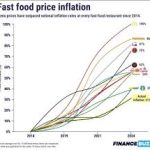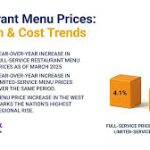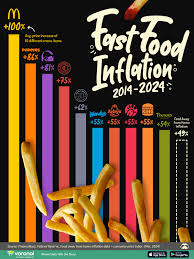
Fast food inflation means the prices of meals from fast-food restaurants have gone up significantly. This is due to several factors, including higher costs for ingredients, labor, and transportation. Consumers are paying more for the same items they used to buy cheaper.
The Rising Cost of Fast Food
Think back to your favorite fast-food spot. What did a typical order cost you a year or two ago? Now, compare that to today.
The difference can be quite striking. Many people report seeing prices jump by 10%, 20%, or even more for their go-to meals. This isn’t just a small bump; it’s a noticeable increase that adds up over time.
It makes that quick lunch or dinner a bigger decision for your wallet.
This trend affects everything from burgers and tacos to pizza and coffee. The ease and affordability that made fast food so popular are being tested. We rely on these places for busy weeknights or when we’re on the go.
When prices go up, that reliability feels a little less certain. It forces us to re-evaluate our choices and how often we can enjoy them.
Why Are Fast Food Prices Going Up?
There isn’t just one single reason for this rise in fast food costs. It’s a mix of different things happening all at once. Imagine a few different pressures all pushing prices higher.
Each one plays a part in making your favorite meal cost more than it used to. Understanding these pressures can help make sense of the sticker shock you’re experiencing.
One of the biggest drivers is the cost of the food itself. Yes, the ingredients that go into your burgers, salads, and sides are costing restaurants more. This includes everything from the beef and chicken to the lettuce, tomatoes, and potatoes.
Even the buns and the oil for frying have seen price increases. These basic food items are the building blocks of fast food.
When the price of raw materials goes up, it naturally flows down to the final product. Think of it like building a house. If lumber costs more, the finished house will cost more.
The same applies to your fast food meal. These rising ingredient costs are a major contributor to overall inflation in the industry.
Another huge factor is labor. Finding and keeping good employees has become more expensive. Many fast-food restaurants have had to increase wages to attract workers.
This is good for employees, but it’s a significant cost for businesses. They have to cover these higher payroll expenses somehow. And often, that means adjusting menu prices.
Think about it: a restaurant needs enough staff to take orders, cook food, and keep the place clean. If wages increase across the board, that’s a big operational cost. To stay profitable, these businesses have to pass some of that cost along to their customers.
It’s a tough balancing act for them.
Beyond ingredients and people, the cost of getting those ingredients to the restaurant has also gone up. Transportation and shipping costs are soaring. This includes the price of fuel for delivery trucks and the cost of logistics.
Everything from moving beef from a farm to a processing plant, to getting frozen fries to your local drive-thru, is more expensive.
These supply chain issues, which have been in the news a lot, impact nearly every industry. For fast food, it means the chain from farm to fork has become more costly at every step. Higher fuel prices mean higher delivery fees.
If it costs more to ship goods, that cost eventually shows up on the bill you pay.
Finally, companies also consider demand when setting prices. If many people want fast food and are willing to pay a bit more, businesses might adjust prices accordingly. While this isn’t the primary driver of inflation, it can play a role in how quickly prices rise and how much they go up.
A Deeper Look at Ingredient Costs
Let’s zoom in on those ingredients for a moment. The price of beef, a staple in many fast-food meals, has seen significant jumps. Factors like drought affecting cattle herds, higher feed costs for farmers, and increased global demand all push beef prices higher.
This makes your favorite burger more expensive to produce.
Chicken is another key ingredient that has faced price volatility. Avian flu outbreaks have sometimes reduced the supply of chickens, driving up costs. When supply is lower and demand is steady or high, prices tend to climb.
So, chicken sandwiches and nuggets can also feel the pinch of inflation.
Even seemingly simple items like potatoes and wheat have become more costly. Weather events, fertilizer prices, and global market conditions can all impact the price of these essential commodities. This means fries, bread, and buns are not immune to the rising cost trend.
Vegetables and dairy also contribute to the overall increase. From lettuce for salads to cheese for pizzas and burgers, the costs of fresh produce and dairy products have also seen upward movement. This wide-ranging impact on basic food items means almost every part of a fast-food meal is affected.
The entire process, from how food is grown or raised to how it’s processed and packaged, involves costs that are rising. For fast food chains, which operate on tight margins, these increases are hard to absorb without adjusting prices.
Key Cost Drivers in Fast Food
Ingredients: Beef, chicken, potatoes, vegetables, grains, and cooking oil are all more expensive.
Labor: Higher wages and benefits for employees are a major cost increase.
Transportation: Increased fuel prices and shipping expenses make getting food to restaurants costlier.
Packaging: The cost of containers, bags, and cutlery has also risen.
Energy: Higher costs for electricity and gas to run kitchens and facilities.
The Impact on Your Wallet
So, what does all this mean for you, the customer? It means that your usual fast-food order is likely costing more. A family meal that used to be affordable might now feel like a stretch.
This is especially true if you rely on fast food regularly for convenience.
For many people, fast food is a budget-friendly option. It’s a way to eat without spending hours cooking or buying expensive groceries. When these prices rise, it can make it harder to stick to a budget.
You might have to cut back on how often you visit, or choose smaller, cheaper items.
Consider a typical scenario. You’re tired after a long day. You want something quick and easy.
You pull into a drive-thru. You order your usual combo meal. You look at the total and it’s a few dollars more than you expected.
That feeling of surprise and maybe a little disappointment is common.
This can force a shift in habits. Instead of grabbing a full meal, you might opt for just a main item. Or you might start looking for deals and coupons more actively.
Some people may even decide to cook more at home, even if it takes more time. The perceived value of fast food has changed.
It’s also worth noting that sometimes, to keep prices lower, fast food companies might make changes to their offerings. This could mean smaller portion sizes, fewer premium ingredients, or changes to value menus. While these aren’t always obvious, they can be ways companies try to manage costs without a direct price hike.
The real sting of fast food inflation is that it hits people who may already be struggling. For those on fixed incomes or with tight budgets, even small price increases can have a significant impact. It’s not just about a slightly more expensive burger; it’s about having less money for other essential needs.
My Own “Oh No” Moment with Fast Food Prices
I remember one Saturday afternoon, I was out running errands. It was late, and I hadn’t eaten. My mind immediately went to the familiar golden arches.
It was just a quick, easy lunch I’d done hundreds of times before. I pulled up to the drive-thru, ready to order my usual. I always got the same thing: a double cheeseburger, medium fries, and a medium soda.
It was my comfort meal, a reliable treat.
As the cashier read back my order, I braced myself for the total. And then they said the number. It was almost 30% higher than I remembered.
I blinked. I thought I misheard. “Sorry, can you repeat that?” I asked, a little flustered.
They repeated it, slower this time. My brain just couldn’t process it. This wasn’t the $8 or $9 lunch I was used to.
This was closer to $11 or $12.
I felt a wave of annoyance, then a little bit of panic. I hadn’t budgeted for this. I looked at the menu board again, feeling a bit foolish.
I knew prices went up, but this felt like a big jump. I stammered, “Uh, can I just get the burger? Without the fries or drink?” The cashier nodded, and the price dropped, but it was still more than I’d wanted to spend.
I drove away feeling a bit deflated. That simple, reliable, cheap meal had suddenly become a more expensive luxury. It made me realize how much I’d taken those low prices for granted.
Fast Food Price vs. Grocery Price Example (Hypothetical)
Scenario: Single Meal Purchase
Fast Food (Then): $8.00
Fast Food (Now): $10.50
Increase: $2.50 (31.25%)
Grocery Equivalent (Then): $3.00 (buying ingredients)
Grocery Equivalent (Now): $4.00 (ingredients are also up)
Grocery Savings (Now): $6.50
Understanding When It’s Normal and When to Worry
It’s important to remember that some price fluctuation is normal. Economies change, and so do prices. A small increase year over year is to be expected.
What feels different now is the speed and magnitude of these increases. It’s like the dial has been turned up much higher than usual.
When the increases are steady and moderate, it’s usually part of general economic trends. You might notice prices inching up over time. This is a sign of a healthy, though perhaps slightly growing, economy.
Fast food companies are often good at absorbing small bumps without drastic menu changes.
However, when you see sharp, sudden price hikes across the board, that’s when it’s worth paying attention. If your favorite meal suddenly costs significantly more in a short period, it indicates more serious inflationary pressures. This is often driven by the major factors we discussed: ingredients, labor, and supply chain costs.
You might also notice changes in the menu. If a restaurant starts removing items from its “value” or “dollar” menu, or introduces smaller portion sizes without changing the price much, it’s a sign they are struggling to keep costs down. These are indirect ways companies try to manage inflation.
The U.S. Department of Agriculture (USDA) and the Bureau of Labor Statistics (BLS) track food prices. Looking at their reports can give you a broader picture of how food costs are changing across the country, not just in fast food.
If these reports show general food inflation, then the rise in fast food prices is part of a larger trend.
For consumers, the main “worry” point is how these rising costs affect your personal budget. If you find yourself spending much more on fast food than you planned, or if you have to cut back on other essentials to afford it, that’s a personal indicator that the inflation is impacting you significantly.
The Centers for Disease Control and Prevention (CDC) also tracks consumer spending and health. While not directly about fast food prices, it highlights how economic factors can influence daily life and dietary choices. When healthy options become less affordable, people may turn to cheaper, less nutritious alternatives.
Quick Checks for Price Changes
- Compare Costs: Note prices at different times. How much has your usual order changed?
- Look at Value Menus: Are they still robust, or have items disappeared?
- Check Portion Sizes: Do meals seem smaller for the same price?
- Read News: See if reports mention rising food or labor costs generally.
- Review Your Budget: Track how much you spend on fast food weekly.
Strategies to Save on Fast Food
Okay, so prices are up. But that doesn’t mean you have to give up fast food entirely. There are smart ways to navigate these higher costs and still enjoy your favorite quick meals.
It’s all about being a bit more strategic with your choices and timing.
First off, always look for deals and coupons. Most fast-food chains offer apps or websites where you can find daily specials, happy hour deals, or coupons. Sometimes, ordering through the app offers exclusive discounts.
It takes a few extra seconds to check, but it can save you a few dollars each time.
Many places have loyalty programs. If you’re a regular at a certain chain, signing up can earn you free food or discounts over time. These points add up, especially if you’re ordering the same items frequently.
It’s like getting a small discount for your continued business.
Consider ordering off the value menu. While these items might be smaller, they are often the most affordable way to get a bite. Sometimes, you can combine two value menu items for less than the cost of a single combo meal.
It requires a bit of mixing and matching, but it’s a great way to keep costs down.
Another tip is to be mindful of what you order. Drinks, especially specialty ones, can significantly increase the total cost. Ordering water, or sticking to a basic soda, can save you a dollar or more per meal.
Also, think about adding on sides; sometimes, just getting the main entrée is enough.
Timing can also be a factor. Some restaurants offer breakfast deals that are cheaper than lunch or dinner options. Or, they might have late-night specials.
If your schedule allows, looking for these off-peak times could lead to savings.
Finally, and this might sound obvious but it’s often overlooked, plan ahead. If you know you’ll be out and about and might be tempted, pack a snack or sandwich from home. Even a simple piece of fruit or a granola bar can tide you over until you get home and can make a more budget-friendly meal.
Smart Savings Strategies
- App Deals: Always check the restaurant’s app for coupons and specials.
- Loyalty Programs: Sign up to earn rewards and free items.
- Value Menu Mastery: Combine affordable items for a cheaper meal.
- Drink Smart: Opt for water or basic sodas to cut costs.
- Meal Planning: Pack snacks or meals from home for busy days.
- Off-Peak Eating: Look for breakfast or late-night deals.
What This Means for the Fast Food Industry
This inflation isn’t just a small blip for the fast food giants. It’s a significant challenge that reshapes how they operate and market themselves. Companies have to be creative to keep customers coming back when prices are rising.
Many chains are investing heavily in technology. This can include online ordering systems, apps, and even automated kitchens. The goal is to increase efficiency and potentially reduce labor costs in the long run.
Technology can streamline processes and potentially absorb some of the price pressures.
Marketing efforts are also shifting. Instead of focusing solely on price, some brands are emphasizing quality ingredients, unique flavors, or the overall experience. They want to remind people why they choose a particular brand, beyond just the cost.
This helps justify the higher prices by highlighting value in other areas.
There’s also a push for greater transparency. Consumers are more aware of where their food comes from. Restaurants that can show they are using high-quality, responsibly sourced ingredients might find that customers are more willing to pay a premium.
For smaller, independent fast-food businesses, these rising costs can be even more difficult to manage. They often don’t have the same buying power or financial resources as large corporations. This could lead to more closures or consolidation within the industry.
The landscape of fast food is evolving. The era of exceptionally cheap meals might be behind us for now. Consumers and companies alike are adapting to a new reality where convenience comes at a higher price point.
Industry Adaptations to Inflation
Tech Investment: Apps, online ordering, automation to boost efficiency.
Value-Driven Marketing: Highlighting quality, experience, and unique offerings.
Supply Chain Focus: Securing stable, cost-effective ingredient sources.
Menu Engineering: Adjusting offerings to maintain profitability.
Customer Loyalty: Building stronger relationships to retain patrons.
The Future of Fast Food Pricing
Predicting exact future prices is tough. Many factors are still at play, like global economic conditions, government policies, and supply chain stability. However, it’s likely that fast food prices will remain higher than they were a few years ago.
We might see a greater divide in the market. Some chains may focus on maintaining lower price points by offering simpler menus and fewer frills. Others may lean into premium offerings, with higher quality ingredients and more complex flavor profiles, commanding higher prices.
Consumers will likely become even more discerning. Armed with information and digital tools, people will be better at comparing prices and seeking out the best value. The power of apps and online reviews will continue to influence choices.
It’s possible that we’ll see more innovative solutions to manage costs. This could include new types of plant-based meats that are more affordable, or different packaging materials. Companies will keep looking for ways to deliver value without sacrificing profitability.
One thing is certain: the conversation around fast food pricing is here to stay. As budgets tighten and costs remain high, consumers will continue to seek out affordable and convenient food options. The industry will have to keep adapting to meet these demands.
Frequently Asked Questions About Fast Food Inflation
What is the main reason for fast food price increases?
The main reasons are higher costs for ingredients, increased labor wages, and more expensive transportation and supply chain operations. All these factors combined push up the final price of meals.
Will fast food prices ever go back down?
It’s unlikely that prices will return to their previous levels in the near future. While inflation can ease, the underlying cost increases for ingredients and labor tend to stick. Prices may stabilize, but a significant drop is improbable.
Are all fast food chains affected equally by inflation?
No, not all chains are affected equally. Larger chains often have more leverage with suppliers and can absorb some costs better. Smaller chains or those using more specialized ingredients might feel the impact more strongly.
How can I tell if a fast food price increase is justified?
It’s hard to say if an increase is “justified” from a consumer perspective. However, if the company is transparent about rising costs (ingredients, labor) or if they’ve improved the quality or size of the food, the increase might be more understandable. Ultimately, your budget dictates what feels reasonable.
Is fast food still cheaper than eating at home?
Often, fast food is still quicker and can be cheaper for a single meal if you buy ingredients and cook for one. However, for families, or when comparing costs over a week or month, home cooking is usually more budget-friendly, especially with rising fast food prices.
What are the most common items that have seen price hikes?
Major items like burgers, chicken sandwiches, fries, and even basic combos have seen significant price increases. The cost of drinks and sides has also gone up, contributing to the overall higher bill.
Looking Ahead
The rise in fast food prices is a clear sign of broader economic shifts. It affects our daily routines and budgets. While it can be frustrating, understanding the reasons behind it helps us make better decisions.
By being aware and strategic, we can continue to enjoy convenience without breaking the bank. Keep an eye on those deals, plan ahead when you can, and remember that smart choices can help you manage these rising costs.