Fast Food Prices: Then vs. Now
Remember when a burger and fries cost just a few coins? It feels like a different world. Prices have changed a lot. This article will show you how much fast food costs have climbed over the years. We’ll look at why this happened. You’ll also learn what to expect today.
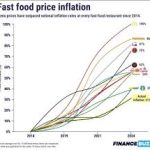
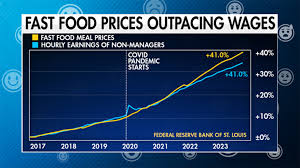
Fast food prices have gone up due to inflation, supply chain issues, and increased demand. What used to be a very cheap meal is now significantly more expensive. Analyzing historical menu prices reveals a clear upward trend over the past few decades.
How Fast Food Prices Have Changed
Let’s talk about the big changes in fast food costs. Think back to the 1950s or 1960s. A simple hamburger might have cost 15 cents. A small order of fries could be around 10 cents. A soda? Maybe another 5 cents. That’s a whole meal for less than a quarter.
Now, fast forward to today. That same basic burger can easily cost $5 or more. Fries might be $3 or $4. A drink? Another $2 or $3. Suddenly, that quarter meal is $10 or $12. It’s a huge jump. This isn’t just a little bit of change. It’s a dramatic shift.
This change has happened over many years. We’re not talking about one big leap. Instead, prices tick up a little bit each year. Over 50 or 60 years, those small jumps add up. It’s like watching a tiny seedling grow into a big tree. You don’t see it happen overnight. But it does grow.
The Rise of the Combo Meal
Combo meals also changed things. Early on, you often bought items separately. A burger was one price. Fries were another. A drink was separate. Then came the idea of putting them all together. This made ordering easier. It also made the total price seem a bit better.
But the combo meal also included more. It wasn’t just a small burger. It became a larger burger, a bigger fries portion, and a larger drink. So, while the price went up, you were also getting more food. This is an important point to remember.
Early combos might have been around $1. In the 1980s, you might see them for $3 or $4. Today, as we said, $10 to $15 is common for a combo. This looks like a big jump. But we need to think about what we get for that money.
Fast Food Price Evolution: A Look Back
1950s/1960s:
- Hamburger: ~ $0.15
- Fries (Small): ~ $0.10
- Soda (Small): ~ $0.05
- Total Meal: ~ $0.30
1990s:
- Hamburger: ~ $1.50 – $2.50
- Fries (Medium): ~ $1.25 – $2.00
- Soda (Medium): ~ $1.00 – $1.50
- Combo Meal: ~ $4.00 – $6.00
Today (2020s):
- Hamburger: ~ $5.00 – $8.00+
- Fries (Medium): ~ $3.00 – $4.50
- Soda (Medium): ~ $2.00 – $3.00
- Combo Meal: ~ $10.00 – $15.00+
Why Are Fast Food Prices So Much Higher Now?
There are several reasons why fast food costs have risen so much. It’s not just one thing. It’s a mix of many factors that all push prices upward.
1. Inflation is a Big Factor
The most obvious reason is inflation. Inflation means that money buys less over time. The cost of everything goes up. This includes the ingredients for fast food. Beef, bread, potatoes, and oil all cost more for the restaurants.
Think about the price of groceries at your own home. You’ve probably noticed that your weekly shopping bill is higher now than it was a few years ago. That’s inflation at work. Fast food restaurants feel this too. They have to pay more for their supplies. So, they pass some of that cost on to us.
Inflation happens for many reasons. Sometimes it’s because there’s more money chasing fewer goods. Other times, it’s tied to global events. Whatever the exact cause, it means that today’s dollar is worth less than yesterday’s dollar.
2. The Cost of Labor Has Increased
Another huge reason is the cost of paying workers. Minimum wage has gone up in many places. Also, restaurants have to compete for workers. To attract good employees, they need to offer better pay and benefits.
Workers are the heart of any fast food place. They cook the food, take your order, and clean the tables. If those workers cost more, the restaurant has to earn more money to pay them. This cost gets added to the price of the food.
I remember talking to a restaurant owner a few years back. They were telling me how hard it was to find staff. They had to offer higher wages and better hours just to get people to apply. Then, they had to raise their prices a bit to cover those new labor costs. It’s a cycle that affects everyone.
3. Supply Chain Issues
You’ve likely heard about “supply chain issues” a lot lately. This means getting the ingredients and supplies needed to run a restaurant has become harder and more expensive.
Things like shipping costs have gone up. Sometimes, there are shortages of certain ingredients. Bad weather can affect crops. Global events can disrupt how goods are transported. All of this makes it harder and costlier for restaurants to get what they need.
If a restaurant can’t get its usual ingredients, it might have to buy them from a different supplier. That supplier might charge more. Or, if there’s a shortage of beef, the price of beef goes up. Restaurants then have to adjust their menu prices to cope.
Key Factors Driving Fast Food Price Increases
- Inflation: General rise in prices for goods and services.
- Labor Costs: Higher wages and benefits for employees.
- Ingredient Costs: More expensive raw materials like beef, produce, and oil.
- Supply Chain Disruptions: Difficulty and cost in getting food and supplies.
- Increased Demand: More people wanting fast food can lead to higher prices.
- Operational Costs: Rent, utilities, and equipment maintenance also rise.
4. Increased Demand for Fast Food
Believe it or not, sometimes demand plays a role. Fast food is popular. People like the convenience and taste. As more people want to eat fast food, restaurants can sometimes charge a bit more.
Think about a popular concert or a busy holiday season. Prices for many things go up because lots of people want them. Fast food isn’t quite that extreme. But when demand is high, restaurants have a little more power to set prices.
Plus, many fast food chains have improved their offerings. They’ve added healthier options, gourmet burgers, and better quality ingredients. This allows them to charge a premium. You’re not just buying a simple burger anymore. You’re buying a brand, a certain experience, and often, higher quality ingredients than decades ago.
5. Brand Value and Marketing
The biggest fast food chains are massive global brands. They spend a lot of money on advertising and marketing. They create a brand image that people trust and want to associate with. This brand value adds to the perceived worth of their products.
When you buy a burger from a well-known chain, you’re paying for more than just the food. You’re paying for the convenience, the consistency, the advertising you see, and the familiarity. This brand premium is built into the price.
6. Changes in Menu Offerings
As mentioned before, menus have changed. Early fast food was very basic. Now, you can get salads, wraps, plant-based burgers, chicken sandwiches, and more. Many of these newer items use more expensive ingredients.
For example, a specialty chicken sandwich with premium toppings costs more to make than a plain hamburger. Restaurants then price these items higher. This raises the average price of items on the menu.
Comparing Prices Across Decades: A Deeper Look
Let’s dive a bit deeper into how specific items have changed. It’s fascinating to see the numbers.
The Humble Hamburger
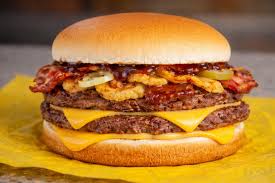
The hamburger is the icon of fast food. In the 1950s, a basic burger was a very cheap treat. Today, the cost of a plain burger has risen dramatically. Even the simplest burger at a major chain will cost several dollars. If you go for a larger burger, a specialty burger, or one with extra toppings, the price climbs higher.
For example, a quarter-pounder might have cost around 25-30 cents back in the day. Today, a similar sized burger, maybe with cheese and special sauce, can easily be $6 to $8. This is a huge percentage increase.
Fries: The Ever-Present Side
Fries are another staple. A small order used to be so cheap you could buy it with pocket change. Now, a medium order of fries is a significant part of a meal’s cost.
Think about the oil used to fry them, the potatoes, and the labor to prepare and serve them. All these costs have risen. So, that bag of fries you get today costs much more than it did when your grandparents were kids.
Drinks: From Basic to Big Business
Drinks have also seen their price climb. A small soda used to be a few cents. Today, even a fountain drink is several dollars. This is where restaurants often make a large profit. The cost of the syrup and water is very low. But the price charged can be quite high.
What This Means for Your Wallet
The rise in fast food prices affects everyone. For many families, fast food was once a very affordable way to eat out. Now, it’s becoming more of a treat than a regular, budget-friendly option.
The End of “Cheap Eats”?
For many people, fast food was the definition of “cheap eats.” It was the go-to for a quick, inexpensive meal. Now, families might have to think twice before ordering. A meal for four can quickly add up to $40 or $50.
This means people are looking for other options. Some are cooking more at home. Others are seeking out even cheaper alternatives. Or, they might choose to eat fast food less often.
Choosing Your Fast Food Wisely
If fast food is still part of your routine, you might need to be more strategic.
Smart Ways to Save on Fast Food Today
- Look for Deals: Many chains offer coupons, app deals, or loyalty programs.
- Order Smaller Sizes: A small drink and fries might be enough for some.
- Check Menu Prices Online: Compare prices before you go.
- Consider Off-Peak Times: Sometimes breakfast or lunch specials are cheaper.
- Water is Free: Skip the expensive soda.
- Share Meals: If you have a big eater with you, maybe share a larger combo.
This requires a bit more planning. It means looking at the menu closely and not just ordering the usual without thinking. It also means using coupons or apps to get the best price.
Personal Experience: A Shock at the Drive-Thru
I remember one specific trip to a fast food place a few years ago. I hadn’t been to a particular chain in a while. I pulled up to the drive-thru, ready to order my usual. I asked for a combo meal, the one I’d probably ordered a hundred times before.
The cashier told me the price. My jaw nearly dropped. It was significantly higher than I expected. I blinked and asked her to repeat it. She did, clearly. I thought she must have made a mistake. Maybe she accidentally added something to my order?
I asked her to break it down for me. Burger, fries, drink. Yep, that was the price. It was about $3 more than I had paid the last time I was there, maybe six months prior. Three dollars might not sound like a lot to some. But for a simple, everyday meal, it felt like a huge jump.
I paused for a moment. Was I really going to spend that much for lunch today? I ended up getting it, mostly out of habit and hunger. But it made me really think. That little experience was a clear sign that things had changed. The “cheap and easy” lunch had gotten noticeably more expensive. It made me realize how much I’d taken those low prices for granted.
The Future of Fast Food Pricing
What can we expect in the future? It’s hard to say for sure. But it’s likely that prices will continue to rise. Inflation doesn’t show signs of stopping completely. Labor costs tend to go up over time. Supply chain issues can flare up unexpectedly.
Fast food chains will likely keep looking for ways to offer value. This might mean loyalty programs, special discounts, or smaller portion options. They might also focus on efficiency to keep their own costs down.
Some experts believe we might see more “value menus” or “dollar menus” return, but at a higher price point. A “dollar menu” might now feature items that cost $1.50 or $2.00. It’s all about adjusting to the new economic reality.
Frequently Asked Questions About Fast Food Prices
When did fast food prices start going up significantly?
Click to expand
While prices have always increased slowly, the most significant jumps in fast food pricing began to be widely noticed in the late 1990s and early 2000s. This period saw increasing labor costs, rising ingredient prices, and the beginning of more significant inflation.
Is fast food still cheaper than cooking at home?
Click to expand
For a single person, fast food might sometimes be comparable in cost to cooking a very simple meal at home. However, for families, cooking at home is almost always significantly cheaper, especially when considering the amount of food you get.
Why are some fast food restaurants more expensive than others?
Click to expand
Differences in price can come from several factors. These include the quality of ingredients used, the brand’s reputation and marketing costs, the labor costs in a specific location, and the overall business model of the chain. Some focus on value, others on premium offerings.
Has the quality of fast food ingredients improved over time?
Click to expand
Many fast food chains have worked to improve ingredient quality and offer healthier options. Some now source more sustainably, offer chicken without antibiotics, or have plant-based alternatives. This can contribute to higher costs.
How does inflation specifically affect fast food costs?
Click to expand
Inflation means the money you have buys less. For fast food restaurants, this means the cost of everything they buy goes up: beef, buns, potatoes, oil, packaging, and even the electricity to run the kitchen. To maintain their profit, they must raise menu prices.
Are fast food chains intentionally raising prices or is it just unavoidable?
Click to expand
It’s a combination. Many price increases are a direct response to unavoidable rising costs for ingredients, labor, and operations. However, chains also strategically adjust prices based on demand, competition, and the perceived value of their brand and menu items.
Conclusion
Fast food prices have gone up a lot from the days of a quarter meal. This rise is due to many things like inflation, higher labor costs, and supply issues. While it’s not as cheap as it once was, understanding why prices changed helps us. We can make smarter choices when we decide to grab a quick bite.