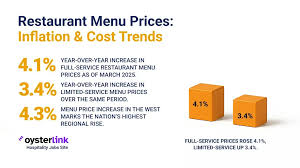
Restaurant prices are going up due to a mix of things like food costs, labor, and even supply chain issues. Expect to see menu prices continue to shift as these factors change. Understanding these trends can help you budget better for dining out.
Why Are Restaurant Prices Going Up?
There are many reasons why the cost of eating out keeps climbing. It’s not just one thing. Think about it like a puzzle.
Each piece adds to the final price you see on the menu. Some of these reasons affect restaurants directly, and others affect the whole economy.
The most obvious reason is the cost of the food itself. Restaurants buy ingredients every single day. When the price of beef, chicken, vegetables, or even cooking oil goes up, they have to pay more.
This means their own costs go up.
Food Costs and Supply Chain
Bad weather, global events, and even farming practices can impact how much food costs. If there’s a drought, farmers can’t grow as much. This makes ingredients like grains or produce much more expensive.
Shipping these foods also costs more. Trucks, trains, and ships need fuel. When fuel prices rise, so does the cost of getting food from the farm to the restaurant.
The restaurant price trends we see are often a direct result of these farming and transport costs. Sometimes, there aren’t enough workers to harvest crops or deliver food. This shortage also pushes prices higher.
It’s a complex system, and many things can go wrong.
Labor Costs Are a Big Factor
Another major cost for restaurants is paying their staff. This includes chefs, servers, dishwashers, and managers. Many places are finding it harder to hire and keep good employees.
To attract workers, restaurants have to offer higher wages and better benefits.
These increased labor costs must be covered somehow. Restaurants often raise menu prices to pay their employees fairly. This is a significant part of the restaurant price trends that diners experience.
Operating Expenses Add Up
Beyond food and staff, restaurants have many other bills. They pay rent for their space. They pay for electricity, gas, and water.
They need to buy kitchen equipment, cleaning supplies, and marketing. Insurance is another big expense.
All these daily operating costs contribute to the overall price of a meal. If any of these costs increase, restaurants feel the pressure to adjust their prices. It’s not just about making a profit; it’s about staying in business.
Demand and Consumer Spending
Sometimes, prices go up simply because people are willing to pay more. If a restaurant is very popular and always busy, they might feel they can charge more. This is especially true for trendy or high-demand spots.
Consumers’ ability and willingness to spend money also plays a role.
When people have more disposable income, they tend to eat out more. This increased demand can allow restaurants to raise their prices slightly without losing many customers. It’s a balance between what customers will accept and what the restaurant needs to earn.
My Own Experience with Rising Prices
I remember a favorite pizza place I used to go to with my family. It was our weekend treat. We’d get a large pepperoni pizza, maybe some garlic knots.
It was always affordable, a real comfort meal. Then, slowly, I started noticing small changes.
First, the price of the large pizza went up by a dollar. Okay, I thought, that’s not too bad. A year later, it went up another dollar.
Then, garlic knots, which were a few dollars, suddenly seemed much more expensive. I started to feel a little annoyed. It wasn’t just one item; it felt like everything was creeping up.
It made me think twice about our regular visits. I’d find myself comparing prices more often, looking for deals, or even considering cooking at home more. It felt like a little piece of a simple pleasure was getting harder to reach.
Spotting Restaurant Price Trends
How can you tell if prices are going up and why? It’s not always obvious. Restaurants might change their menus less often, but the prices within them shift.
Some changes are sneaky. They might shrink the portion size but keep the price the same. This is called “shrinkflation.”
Quick Scan: Signs of Price Increases
- Shrinking Portions: You get less food for the same price.
- Fewer “Deals”: Daily specials or combo meals disappear.
- “Market Price”: This is often used for seafood and steak. It means the price can change daily based on supply.
- Higher Base Prices: The cost of staple items like a burger or salad goes up significantly.
- Extra Charges: Small fees for things like sauce or extra cheese become common.
Pay attention to the menu. Are the descriptions the same, but the numbers are higher? Look at the date the menu was printed.
If it’s old, the prices might be outdated. New menus often reflect current costs. You might also notice less generous “extras” on your plate.
Menu Engineering and Pricing Strategies
Restaurants are smart about how they price things. They use something called “menu engineering.” This means they design their menus to guide your choices. They might make the most profitable items look like the best deal.
They use fancy words to describe simple dishes to make them sound better.
Sometimes, a restaurant will raise the price of one or two items a lot. This makes other items, which have only gone up a little, seem more reasonable. It’s a way to manage customer perception.
You’re less likely to notice a small increase if a neighboring item jumped up significantly.
Impact on Your Dining Budget
When restaurant prices rise, it directly impacts how much you spend on eating out. If your favorite meal used to cost $20 and now costs $25, that’s a 25% increase. Over a few meals, this adds up quickly.
You have to make choices. Do you eat out less often? Do you choose cheaper restaurants?
Do you order less food or skip appetizers and desserts? For many families, dining out becomes a treat rather than a regular occurrence. It forces a re-evaluation of where your money goes.
Budgeting Tips for Rising Prices
- Plan Ahead: Decide your dining budget for the week or month.
- Look for Deals: Check restaurant websites or apps for coupons and specials.
- Happy Hour: Many places offer discounted food and drinks during off-peak hours.
- Lunch vs. Dinner: Lunch menus are often cheaper than dinner menus.
- Share Plates: Order larger dishes and share them with a dining companion.
- Home Cooking: Make restaurant-style meals at home for a fraction of the cost.
Understanding restaurant price trends helps you prepare. It’s like knowing the weather is going to change. You can bring an umbrella or wear a warmer coat.
Knowing prices are likely to increase means you can adjust your expectations and your budget accordingly.
The Psychology of Menu Pricing
Did you know that the way prices are written matters? Most restaurants don’t use dollar signs. Instead, they might list a price as “22” instead of “$22.00.” This makes the number seem smaller.
Also, prices that end in .99 are still common, but some places use whole numbers like “18” to seem more upscale.
These small details are part of the overall strategy. They influence how you feel about the price. It’s not just about the numbers; it’s about the perception of value.
Restaurants work hard to make you feel like you’re getting a good deal, even as prices climb.
Factors Affecting Specific Food Items
Certain types of food can see bigger price jumps than others. For example, seafood prices are very sensitive to supply and demand. If a fishing season is bad, or if there’s a problem with a specific type of fish, its price can soar.
Beef prices also fluctuate a lot. This depends on the cost of feed for cattle, weather conditions, and diseases that might affect herds. Fresh produce, like berries or avocados, can have seasonal price swings.
Bad weather in a growing region can make those items much more expensive for everyone.
Contrast: Normal Price Swings vs. Concerning Increases
| Normal Price Swings | Concerning Increases |
|---|---|
| Slight increases of 3-5% annually. | Jumps of 10-20% or more in a short period. |
| Seasonal variations for produce or fish. | Consistent increases across the entire menu, not just one item. |
| Occasional “market price” for items like lobster. | “Market price” used for many items, making costs unpredictable. |
| Menu updates reflect cost changes over time. | Significant price hikes without clear reasons or visible menu changes. |
When you see large, sudden price changes across the board, it’s a sign that something significant is happening with the restaurant’s costs. It’s worth trying to understand what might be behind it. Sometimes, a quick search for “food price index” or “labor cost trends” can give you context.
What This Means for the Restaurant Owner
It’s not just tough for diners; it’s tough for restaurant owners too. They have to balance keeping customers happy with making enough money to survive. If they raise prices too much, customers might go elsewhere.
If they don’t raise prices enough, they might not be able to pay their staff or suppliers.
Many owners are constantly looking for ways to be more efficient. They might negotiate better deals with suppliers. They might find ways to reduce waste in the kitchen.
They might invest in technology that helps speed up service or track inventory better. It’s a daily challenge to keep the business running smoothly and profitably.
Owner’s Perspective: Navigating Costs
Challenge: Rising food and labor costs.
Strategy: Adjust menu prices, optimize operations, find efficiencies.
Goal: Maintain quality and customer satisfaction while ensuring profitability.
I spoke to a restaurant manager once who told me they had to raise their burger price by $3. He was really worried about it. He explained that the cost of beef alone had gone up so much, and they were paying their cooks more.
He felt bad telling customers. But he also said they had to do it to keep the doors open and ensure their staff could earn a decent wage. It showed me it’s a difficult decision for them, too.
When to Worry About Restaurant Prices
It’s normal for prices to go up a little bit over time. Inflation is a part of the economy. However, there are times when you should pay closer attention.
If you see prices jump dramatically and suddenly, it’s a red flag.
This is especially true if the quality of the food or service seems to be going down at the same time. Are portions getting smaller? Is the food not as fresh?
Are staff members stressed and overworked? These signs, combined with rising prices, suggest the restaurant might be struggling to manage its costs effectively.
Comparing Prices Across Different Restaurants
A good way to gauge if prices are fair is to compare. If you go to a casual diner and a gourmet restaurant, you expect different price points. But if two similar restaurants, serving similar food, have vastly different prices, it’s worth investigating.
Check online menus for restaurants in your area. See what others are charging for comparable dishes. Are you paying significantly more at one place for what seems like the same experience?
This kind of comparison can highlight unusual pricing trends.
Quick Tips for Dining Out Smart
You don’t have to stop enjoying meals out. You just need to be a bit more strategic. Here are some simple ways to manage your dining budget:
Smart Dining Choices
Go for Lunch: Dinner menus are almost always more expensive. A lunch special can offer the same dishes at a lower cost.
Check for Loyalty Programs: Many restaurants offer rewards for frequent customers. Collect points or get discounts.
Bring Your Own Water: Skip the bottled water or soda to save a few dollars.
Limit Extras: Appetizers, desserts, and specialty drinks can significantly increase your bill.
I often find myself looking at the “specials” board. Sometimes, the specials are a great deal. Other times, they are priced higher to test the market.
It’s always a good idea to ask your server about the best value items on the menu. They usually know what’s popular and what offers good bang for your buck.
Using Technology to Your Advantage
There are many apps and websites that can help you find deals. Apps like Yelp, OpenTable, or specific restaurant chain apps often have coupons, discounts, or early booking offers. Some sites track reviews and average prices, which can be helpful.
Even social media can be useful. Follow your favorite restaurants on platforms like Instagram or Facebook. They often announce new specials, happy hour deals, or limited-time offers there first.
It’s a free way to stay informed about savings opportunities.
Frequently Asked Questions About Restaurant Prices
Why have food prices gone up so much lately?
Why have food prices gone up so much lately?
Recent increases are often due to a combination of factors. These include higher costs for farming, fuel, and shipping (supply chain issues). Also, labor shortages and increased wages for restaurant staff play a big role.
Weather events impacting crops and global demand can also push prices higher.
Is it cheaper to eat out at lunch or dinner?
Is it cheaper to eat out at lunch or dinner?
Yes, it is typically much cheaper to eat out at lunch. Many restaurants offer “lunch specials” or have a separate, less expensive lunch menu. Dinner menus often feature higher prices for the same or similar dishes.
You can often get a great meal at a lower cost by dining earlier in the day.
What does “market price” mean on a menu?
What does “market price” mean on a menu?
“Market price” means the cost of the item can change daily. It depends on what the restaurant has to pay for it that day based on current supply and demand. Items like fresh seafood (lobster, fish) or certain premium cuts of meat are often listed with market price because their costs fluctuate significantly.
Are restaurants shrinking portion sizes to save money?
Are restaurants shrinking portion sizes to save money?
Yes, this is a common practice known as “shrinkflation.” When ingredient costs rise, some restaurants may reduce the size of their portions while keeping the price the same. This is a way for them to increase their profit margin or offset higher operating costs without an obvious price hike on the menu.
How can I save money when dining out?
How can I save money when dining out?
To save money, look for lunch specials, happy hour deals, or loyalty programs. Consider sharing larger dishes or ordering fewer courses. Checking for online coupons or using restaurant apps can also lead to savings.
Sometimes, ordering water instead of drinks can cut costs. Planning your meals and budget beforehand helps too.
When should I be concerned about rising restaurant prices?
When should I be concerned about rising restaurant prices?
You should be concerned if prices increase suddenly and drastically across the entire menu. If this happens along with a noticeable drop in food quality, portion size, or service, it’s a sign the restaurant might be struggling. Compare prices with similar establishments to see if they are unusually high.
Final Thoughts on Restaurant Pricing
Watching restaurant prices go up can be a bummer. It makes enjoying a meal out feel like a luxury again. But by understanding the reasons behind the changes, you can make smarter choices.
Keep an eye on costs, look for deals, and plan your dining budget. You can still enjoy good food and company without breaking the bank.