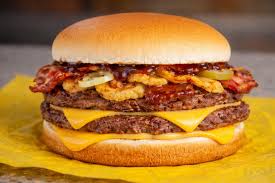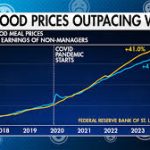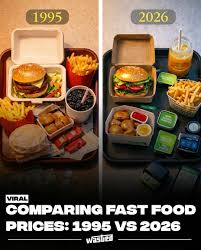
The price of fast food is increasing in 2026 mainly due to rising costs for ingredients, labor, and shipping. These factors combine to make it more expensive for restaurants to operate, leading them to pass some of those costs onto customers.
What’s Driving the Fast Food Price Jump?
You’re likely noticing it everywhere. That $5 combo meal from a few years ago might now be $7 or $8. This isn’t just a random change.
Several big forces are pushing prices up. It’s a mix of things that affect how much it costs to make and get your food to you.
Think about everything that goes into your meal. It starts with the raw stuff. Farmers grow the vegetables.
Farmers raise the animals for meat. Then, all these ingredients need to get to the places that process them. After that, they are sent to the restaurants.
Each step costs money. When those costs go up, the final price tag follows.
Why Are Food Ingredients More Expensive?
The very first step is growing or raising the food. For fast food, this often means beef, chicken, potatoes, and grains. These basic items are the building blocks.
Their prices are not fixed. They can change a lot based on many things.
Weather is a huge factor. A bad drought in a major farming region can mean fewer crops. This makes what’s available much more valuable, so prices rise.
Bad weather can also hurt livestock. Farmers need to spend more on feed if it’s scarce. So, less meat is produced, and the cost of meat goes up.
Global demand also plays a role. If more countries want to buy certain foods, prices will naturally go up. Think about it like a busy store.
When everyone wants the same item, the store can charge more. The same applies to things like beef or wheat on a global scale.
Disease outbreaks in animals can also disrupt supply. If a disease affects a lot of chickens, there are fewer chickens available for restaurants. This shortage means higher prices for chicken.
These are real issues that happen more often than we think.
The Rising Cost of Labor
It’s not just about the food itself. The people who work in fast food restaurants are paid wages. Over the past few years, there’s been a growing push for higher wages.
Many states and cities have increased their minimum wage. This means restaurant owners have to pay their staff more money.
This isn’t a small change for businesses. Labor is one of the biggest expenses for any restaurant. When wages go up, that’s a significant cost increase for the business owner.
To keep making a profit, they often have to raise the prices of the food they sell.
It’s a balancing act. Higher wages can mean happier employees and better service. But it also adds financial pressure.
The fast food industry often operates on thin profit margins. So, even small wage increases can have a noticeable effect on menu prices.
You might also see fewer staff working at any given time. Some restaurants might try to operate with fewer people to save on labor costs. This can sometimes affect how quickly you get your food.
But the main point is that paying people more means they have to charge more for the food.
Supply Chain and Shipping Woes
Once the food is ready, it needs to get to the restaurants. This involves transportation. Trucks, ships, and trains move the food from farms or processing plants to distribution centers, and then to individual restaurants.
This entire system is called the supply chain.
Lately, the supply chain has faced many challenges. Think about the pandemic. It caused big disruptions.
Ports got backed up. There weren’t enough truck drivers. This made shipping much slower and much more expensive.
The cost of fuel is another major part of shipping. When gas and diesel prices are high, it costs more to move goods. This increase in transportation costs is passed on.
So, the cost to get ingredients to your burger joint goes up. This adds another layer to the rising prices you see.
Even things like packaging materials can become more expensive. If the cost of cardboard for boxes or plastic for containers goes up, that’s another expense for the restaurant. All these small costs add up.
They contribute to the overall increase in fast food prices.
Understanding the ‘Why’ Behind Price Hikes
Ingredient Costs: Fluctuations in weather, global demand, and animal diseases directly impact the price of raw food items like beef, chicken, and produce.
Labor Expenses: Minimum wage increases and the need to attract and retain staff lead to higher payroll costs for restaurants.
Supply Chain Issues: Shipping delays, fuel costs, and material shortages make transporting ingredients and finished goods more expensive.
Energy Prices: Higher costs for electricity and gas affect restaurant operations, from cooking to keeping the lights on.
Operational Overheads: Rent, utilities, and equipment maintenance are constant costs that can also rise, forcing price adjustments.
The Role of Inflation
You’ve probably heard the word “inflation” a lot. It’s a general rise in prices across the economy. When inflation happens, your money doesn’t buy as much as it used to.
This affects everything, including the price of fast food.
Inflation happens for many reasons. Sometimes it’s because there’s more money circulating in the economy. Sometimes it’s because there are fewer goods and services available than people want to buy.
Whatever the cause, the result is higher prices for almost everything.
Fast food restaurants are not immune to this. They have to pay more for their ingredients, their labor, and their energy. They also often face higher rent for their locations.
All these costs increase due to inflation. To stay in business and make a profit, they must raise their menu prices.
It’s not that restaurants want to charge more. They are businesses trying to survive and thrive. When their own costs go up significantly, they have to adjust their prices.
Otherwise, they might lose money, which isn’t sustainable for anyone.
Energy Costs Impacting Operations
Running a fast food restaurant uses a lot of energy. Think about the fryers, the ovens, the refrigerators, and the lights. All these things require electricity or natural gas.
The price of these energy sources can change quite a bit.
When the cost of electricity or natural gas goes up, it costs the restaurant more to operate. This is a direct expense that can add up quickly. If energy prices spike, restaurants have to find ways to cover those costs.
One of the most common ways is by increasing menu prices.
This affects everything from cooking your burger to keeping your drink cold. Even the air conditioning or heating in the dining area uses energy. So, if energy bills are higher, it puts pressure on the restaurant’s budget.
They then have to decide where to make up the difference.
This is why you might see prices jump not just when ingredient costs rise, but also when energy markets are volatile. It’s another piece of the puzzle that explains why your fast food bill is getting higher.
Quick Scan: Factors Affecting Fast Food Prices
- Ingredients: Up (weather, demand, disease)
- Labor: Up (minimum wage, competition)
- Shipping: Up (fuel, driver shortages)
- Energy: Up (oil, gas prices)
- Inflation: Up (general price increases)
- Packaging: Up (material costs)
Changes in Consumer Demand
Sometimes, what people want can also affect prices. While less common for basic fast food, shifts in demand for certain types of food or ingredients can influence costs. For example, if more people suddenly wanted a specific type of organic lettuce, its price might increase due to higher demand.
However, for the most part, the demand for core fast food items like burgers, fries, and chicken remains strong. The demand itself isn’t usually the driver of the price increase. Instead, the supply side is pushing prices up, and people are still willing to pay a bit more because it’s convenient and often still cheaper than other options.
What has changed is how people perceive value. When prices rise, customers start to evaluate if the meal is “worth it” for the cost. This can lead some people to eat out less often or look for better deals.
But for the restaurants, they have to price based on their costs, not just what customers wish they’d pay.
The Economic Cycle
Economies go through cycles. There are times of growth and times when things slow down. Currently, we are in a period where many costs for businesses are elevated.
This is part of a larger economic trend. Fast food restaurants are just one part of this big picture.
When the economy is growing, demand for goods and services generally increases. This can put pressure on resources, leading to higher prices. Also, during growth periods, wages often tend to rise as businesses compete for workers.
All these factors contribute to higher operational costs for restaurants.
Conversely, during economic slowdowns, prices might stabilize or even fall. But we are not currently in such a period. The global economic landscape is complex.
Many interconnected factors are pushing prices upward. Fast food is not insulated from these larger economic forces.
Understanding that this is part of a broader economic situation can help. It’s not just one single restaurant chain deciding to be more expensive. It’s a reflection of many economic conditions that affect nearly all businesses.
Contrast: Normal vs. Concerning Price Changes
Normal: Small, gradual price increases (a few cents on an item) that keep pace with modest inflation and operational costs.
Concerning: Large, sudden jumps in price (dollars on an item) that significantly outpace general inflation and seem disproportionate to minor cost changes. This might indicate less competitive markets or significant supply shocks.
Real-World Scenarios: A Day at a Fast Food Restaurant
Imagine you’re a manager at a busy fast food place. Let’s call it “Burger Barn.” You opened for breakfast this morning. The cost of eggs went up 15% last week.
The cost of the beef patties for your lunch rush also saw a 10% jump a month ago. Your suppliers told you to expect another 5% increase next month.
Now, think about your staff. The state minimum wage just went up by $1.50 an hour. You have to pay all your crew members more.
You also want to offer a small bonus to your assistant manager because she’s been doing a great job keeping things running smoothly. That’s more money out the door.
Your delivery truck arrived late this morning. The driver mentioned that diesel prices are through the roof. He had to pay more to fill up his truck, and that cost is factored into the delivery fee.
The price of the cardboard boxes for your to-go orders also increased. You notice the electricity bill is higher than last month, too.
You look at your profit and loss statement. Your costs have gone up significantly in every area. If you don’t adjust your prices, you’ll be losing money by the end of the month.
So, you have to make the tough decision. You’ll likely have to add about 3% to 5% to most menu items. It’s not what you want to do, but it’s what you need to do to keep Burger Barn open and keep paying your team.
What This Means for Your Wallet
For us as consumers, these rising prices mean we have to be more mindful of our spending. That quick, cheap meal isn’t quite so cheap anymore. It means we might have to make different choices.
Budgeting: You might find yourself eating out less often. Or, you might need to adjust your overall budget to account for these higher food costs. What you used to spend on fast food might now need to be allocated elsewhere in your budget.
Value Perception: We start to look more closely at what we’re getting for our money. Is that $10 combo meal truly satisfying? Or would a home-cooked meal for a similar price be a better option?
This forces us to think about the “value” of convenience.
Seeking Deals: Many people will start looking more for coupons, special offers, or loyalty programs. Fast food companies know this. They often run promotions to attract customers when prices are high.
This is a way for them to still get business, even if prices are up overall.
Home Cooking: For many, rising fast food prices are a big push towards cooking more meals at home. While groceries have also seen price increases, cooking at home is often still more cost-effective than eating out regularly. This can be a healthy change, both for your wallet and your well-being.
Quick Tips for Navigating Higher Prices
- Look for Apps & Coupons: Many chains have apps with exclusive deals.
- Happy Hour/Deals: Check for specific times or days with lower prices.
- Combo vs. A La Carte: Sometimes a combo is still a better deal, other times ordering separately saves money.
- Water vs. Soda: Skipping the pricey drink can save you a dollar or two per meal.
- Portion Control: Sometimes a smaller, cheaper option is enough.
When Is It Normal vs. Concerning?
It’s important to know that prices do go up over time. This is normal. A few cents here and there on an item is expected.
This usually happens because of general inflation or small increases in operational costs. These gradual changes are part of the economic landscape.
What might be more concerning are large, sudden jumps in price. If a burger that was $4 suddenly becomes $6 overnight, that’s a big change. This often happens when there’s a significant disruption.
It could be a major spike in ingredient costs, a new law affecting labor, or a severe supply chain breakdown. These are the times when you might feel the pinch much more acutely.
Another sign to watch for is when prices increase, but the portion size or quality seems to decrease. This is sometimes called “shrinkflation” but applied to quality. It means you’re paying more for less value.
This can feel like a particularly unfair price increase.
It’s also worth noting that not all fast food places will raise prices at the same rate. Some may absorb costs longer, while others pass them on quickly. Competition plays a role here.
If there are many options, restaurants might be hesitant to raise prices too much.
Quick Fixes and Tips for Saving
While we can’t stop the prices from rising, we can be smart about how we spend our money. Here are some practical tips that many people use:
Use Restaurant Apps: Most major fast food chains have mobile apps. These apps often feature exclusive deals, digital coupons, and loyalty programs. Signing up can save you money on regular purchases.
Look for Deals and Promotions: Keep an eye out for daily specials, happy hour deals, or limited-time offers. These can provide significant savings compared to the regular menu prices.
Order Water: Drinks can add a significant amount to your bill. Opting for water instead of soda or juice is a simple way to cut costs on each order.
Consider Smaller Portions: If you don’t need a massive meal, consider ordering a smaller burger or a kid’s meal. These options are usually cheaper and can still satisfy your hunger.
Share Meals: If you’re eating with someone, you might be able to share a larger meal or order a couple of smaller items to split, which can be more cost-effective than each person ordering a full meal.
Plan Your Purchases: Before you head out, take a moment to check the menu online or on the app. Know what you want and if there are any deals available for it. This prevents impulse buys of more expensive items.
Home Meal Prep: The most consistent way to save money is to cook more meals at home. Even simple meals can be much cheaper than fast food when you factor in the rising costs of eating out. Pack lunches for work or school.
Be Aware of Value: Before ordering, ask yourself if the price of the meal is worth the value you’re getting. Sometimes, a few extra minutes spent cooking at home can lead to significant savings and a more satisfying meal.
Cost-Saving Scenario: Burger Meal Comparison
Scenario 1: Fast Food Combo
- Burger, Fries, Drink
- Estimated Cost: $8.50 – $11.00
- Pros: Convenient, quick.
- Cons: Higher price, less control over ingredients.
Scenario 2: Home-Cooked Meal
- Homemade burger patties, baked fries, water
- Estimated Cost: $3.00 – $5.00 (per person, based on bulk buying)
- Pros: Much cheaper, healthier ingredients, customizable.
- Cons: Requires time for prep and cooking.
Frequently Asked Questions About Fast Food Prices
Why have fast food prices increased so much lately?
Prices are up because of several factors. These include higher costs for ingredients like meat and produce, increased wages for fast food workers, and more expensive shipping and transportation. General inflation also plays a big role in raising the prices of everything.
Will fast food prices continue to go up in the future?
It’s likely that prices will continue to see some increase. This is because many of the underlying costs, like labor and ingredients, are expected to remain elevated. However, the rate of increase might slow down if inflation cools or supply chain issues improve.
Are all fast food restaurants raising prices at the same rate?
No, not all restaurants raise prices at the same speed or by the same amount. This depends on the specific restaurant’s costs, its financial health, its pricing strategy, and the level of competition in its market. Some might absorb costs longer than others.
Is fast food still a good value for money?
This is subjective and depends on your priorities. Fast food offers convenience and speed, which has value for many people. However, with rising prices, the cost per meal is increasing, making home-cooked meals potentially more cost-effective and healthier for regular dining.
What are the biggest cost drivers for fast food restaurants?
The biggest cost drivers are typically food ingredients and labor. Rent and utilities are also significant ongoing expenses. Transportation and packaging costs have also become much more impactful recently.
How does minimum wage affect fast food prices?
When minimum wage increases, restaurants have to pay their employees more. Since labor is a major operating expense, this increased cost often leads restaurants to raise their menu prices to cover the higher payroll expenses.
Conclusion
It’s clear that the rising cost of fast food is a complex issue. It’s driven by a combination of factors affecting ingredients, labor, and the overall economy. While it can be frustrating for our wallets, understanding these reasons can help us make more informed choices about where and how we spend our money on meals.