Understanding why regional chain menu prices are different helps you budget better. We’ll cover location, ingredient costs, and demand. You’ll learn how to spot good deals and make smart choices.
What Makes Menu Prices Change?
Restaurant prices are not random. Many things influence them. Think about where the restaurant is located. A place in a busy city center will likely have higher prices than one in a small town. This is because rent is higher in cities. Also, the cost of ingredients matters a lot. If chicken prices go up, the chicken sandwich price might too.
Demand also plays a big role. If a restaurant is always packed, they might raise prices a bit. They know people will still come. Labor costs are another big factor. Paying staff fair wages adds to the overall cost of running the place. Finally, marketing and deals can affect what you see on the menu.
My Trip to a New Town
I remember visiting a friend in a city I’d never been to before. We decided to grab lunch at a popular local sandwich shop. It looked a lot like other places I’d seen back home. But when the bill came, I was surprised. The exact same sandwich I usually get for $8 cost $11 there! I felt a little shocked. I asked my friend about it. They just shrugged and said, “Yeah, things are more expensive here.” That day taught me a lot about how much location really matters for regional chain menu prices.
Understanding the Key Factors
Let’s break down the main reasons why prices differ.
Location, Location, Location
Rent & Overhead: A restaurant in a trendy downtown area pays much more for rent than one on the outskirts of town. This higher cost needs to be covered.
Local Economy: In areas with a higher cost of living, wages are often higher. This affects the price of everything, including food.
Competition: Sometimes, more competition can drive prices down. Other times, a unique or popular spot can charge more.
Ingredient Costs
Supply Chain: The cost of food ingredients can change quickly. Weather, global events, and farming issues all impact prices.
Quality & Sourcing: Restaurants using fresh, local, or organic ingredients usually pay more. This higher quality comes with a higher price tag.
Type of Food: Some ingredients are naturally more expensive. Seafood, certain cuts of meat, or specialty cheeses will cost more than staples like rice or beans.
Operational Expenses
Labor Costs: Paying employees a living wage, including benefits and payroll taxes, is a significant expense.
Utilities: Electricity, gas, and water bills can add up, especially for busy kitchens.
Marketing: Restaurants spend money on advertising, promotions, and loyalty programs.
Demand and Perceived Value
Popularity: A restaurant that is constantly busy can often charge more because people are willing to pay for the experience or the product.
Brand Some chains build a reputation for premium quality or a unique dining experience. This allows them to set higher prices.
Time of Day: Dinner menus or specials during peak hours might be priced differently than lunch or off-peak items.
Real-World Scenarios
Let’s look at a couple of made-up but common scenarios that affect regional chain menu prices.
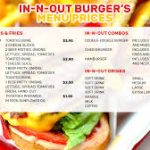
Imagine a popular burger chain. In a big city like Los Angeles, a standard cheeseburger might cost $12. This is due to high rent, higher minimum wage laws, and more competition. The ingredients might be the same as in a smaller town. But the cost of doing business is much higher.
Now, consider the same burger chain in a town in Kansas. The rent is lower. Labor costs are less. There might be fewer burger joints nearby. So, that same cheeseburger might only be $8. The restaurant still needs to make a profit, but their overhead is much smaller.
Another example is pizza. A national pizza chain has to buy ingredients in bulk. But the price might still vary between states. This is because transportation costs differ. Also, local demand for certain toppings can influence how much they cost to stock. A pizza place in Florida might offer more seafood toppings, which are pricier. A place in the Midwest might focus on more affordable pork or beef toppings.
What This Means for Your Wallet
Knowing these factors helps you understand your budget. When you travel, expect prices to be different. A quick look at the menu online before you go can save surprises.
Quick Scan: Price Factors
- Where it’s located (City vs. Town)
- Cost of rent for the building
- Local minimum wage and labor costs
- Price of food ingredients (meat, veggies, cheese)
- How popular the restaurant is
- What other restaurants are nearby
It’s also helpful to remember what you’re paying for. Sometimes, a higher price means better quality ingredients, a unique atmosphere, or a more convenient location. It’s not always just about the food itself.
When Is It Normal?
It’s completely normal for regional chain menu prices to differ. Every town and city has its own economic situation. What costs $15 for a meal in New York City might be $9 in a smaller Midwestern town for the exact same food. This is the reality of how different regions operate.
Think about gas prices. They change based on location and local taxes. Food prices work in a very similar way.
When Should You Start to Worry (About the Price)?
You probably shouldn’t worry just because prices are higher or lower than you’re used to. However, if you see prices that seem way out of line with similar places nearby, that might be a flag. For example, if a fast-food burger is suddenly $18, that’s strange.
Also, if prices seem to jump up very quickly without any clear reason, it’s worth noting. Major price changes usually happen due to big shifts in ingredient costs or operational expenses. If a restaurant is always having deals or specials, it might mean their base prices are too high.
Quick Tips for Finding Value
Here are some simple ways to get the most for your money:
Smart Spending Strategies
Check Menus Online: Most chains have their menus and prices on their websites. Look before you go.
Look for Deals: Many chains offer daily specials, happy hour deals, or coupons. Sign up for their email lists!
Loyalty Programs: Join rewards programs. You can earn points for free food or discounts.
Consider Portions: Sometimes, a slightly more expensive item might have a larger portion. If you can share, it can be a good deal.
Lunch vs. Dinner: Often, lunch specials or smaller portions are cheaper than the dinner menu.
Compare Sides: If a meal comes with a choice of sides, sometimes the premium sides cost extra. Stick to the standard ones to save money.
It’s also about managing your expectations. If you’re in a high-cost area, you’ll likely spend more. If you’re looking for the cheapest meal, you might need to seek out different types of establishments or regions.
Frequent Questions About Regional Prices
Why do fast-food prices vary so much between states?
Prices vary because of local costs like rent, labor, and taxes. The cost to transport food ingredients also plays a part. What people are willing to pay in different areas matters too.
Are chain restaurants always more expensive in big cities?
Generally, yes. Big cities have higher operating costs, especially for rent and wages. This often leads to higher menu prices compared to smaller towns.
Does the quality of ingredients really affect menu prices that much?
Yes, it can. Restaurants that use fresh, local, or organic ingredients often pay more for them. These higher costs are usually passed on to the customer through higher prices.
How can I find out the current prices for a specific chain?
The best way is to check the chain’s official website. Most have their menus and pricing available online. You can also use their mobile app or sometimes find pricing on delivery service apps.
Is it possible for the same meal to have very different prices at different locations of the same chain?
Absolutely. Even within the same state, a restaurant in a bustling downtown might charge more than one in a quiet suburb. Location is a primary driver of price differences.
Do promotions and coupons really change the overall cost significantly?
Yes, promotions and coupons can help you save money. They are often used by chains to attract customers or boost sales. Taking advantage of these can make a meal much more affordable.
Final Thoughts
Understanding regional chain menu prices isn’t about finding a single answer. It’s about recognizing the many layers that go into setting those numbers. Location, ingredient costs, and demand all work together. By being aware of these factors, you can make smarter choices and appreciate why your favorite meal might cost a little more or less depending on where you are.