It’s a common feeling. You’re hungry, you need food fast, and you want it to be filling without costing too much. Fast food often comes to mind.
But not all fast food is created equal when you look at how many calories you get for each dollar you spend. This guide will help you figure out which fast food choices give you the most bang for your buck, calorie-wise. We’ll break down what to look for and where you might find the best value.
When you’re looking for the most calories per dollar at fast food places, think about high-fat, high-carb options like burgers, fries, and fried chicken. These tend to pack the most energy for the least cost. Chain restaurants known for value menus and larger portions often win out.
Understanding Fast Food Calories and Cost
When we talk about fast food, we’re usually thinking about quick meals. These meals are often convenient and tasty. But sometimes, we also need them to be filling.
We want to feel satisfied after we eat. This is where calories come in. Calories are a measure of energy.
More calories generally mean more energy and a fuller feeling.
The “per dollar” part is all about value. You want to get the most food energy for the money you spend. This is especially true if you’re on a tight budget or just want to feel full without spending a lot.
It’s like getting more for less. This isn’t about healthy eating. It’s about getting the most calorie-dense food at the lowest price.
Many fast food items fit this bill. Think about foods that are high in fat and carbohydrates. These are often the cheapest ingredients.
Burgers, fries, pizza, and fried chicken are good examples. They use ingredients like bread, meat, cheese, and oil. These are all good sources of calories and are usually quite affordable for restaurants to buy in bulk.
Understanding this helps us look at menus differently. We start to see which items are designed to be filling and inexpensive. It’s a practical way to approach fast food when your main goal is simple caloric satisfaction for your budget.
My Late-Night Burger Quest
I remember one time, it was late. Really late. I had been working on a big project all day and hadn’t eaten much.
My stomach was rumbling like a freight train. I drove around, looking for something open. My wallet was feeling a bit thin, too.
I just needed something that would fill me up and not cost much.
I ended up at a few different fast food drive-thrus. I was scanning the menus, trying to do the math in my head. “Okay, this burger is $5, but it looks small.
This combo is $8, but it has fries and a drink. How many calories will that actually give me?” It was a little frustrating. I didn’t want to spend $10 and still feel hungry an hour later.
I finally settled on a place known for its cheap burgers and fries. I got a double cheeseburger and a medium fry. It wasn’t fancy.
It wasn’t healthy. But as I ate it in my car, I felt that wave of relief. I was full.
And I knew I had spent less than $7. It was a simple moment, but it taught me a lot about where to go when hunger and budget collide.
Top Calorie-Dense Fast Food Staples
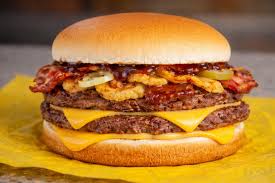
Burgers: Double or triple patties, cheese, bacon, and a soft bun are calorie powerhouses. The fat from the meat and cheese adds up quickly.
Fries: Deep-fried potatoes are loaded with oil and carbs. Larger sizes offer more calories for a small price increase.
Fried Chicken: The breading and oil used in frying make chicken a calorie-rich choice. Dark meat chicken tends to have more fat and calories than white meat.
Pizza: Cheese, pepperoni, and a doughy crust provide a significant calorie count. Larger slices and thicker crusts mean more calories.
Breakfast Sandwiches: Biscuits or bagels with sausage, eggs, and cheese can be very calorie-dense. Think of the fats and refined carbs.
Fast Food Chains Known for Value
Some fast food chains have built their reputation on providing a lot of food for not a lot of money. These places are often the go-to spots when you need to maximize your calorie intake without breaking the bank.
Think about places like McDonald’s, Burger King, and Wendy’s. They often have dollar menus or value meals. These are specifically designed to be affordable.
A double cheeseburger or a large fry from these places can give you a substantial amount of calories for just a few dollars.
Then there are chains like Taco Bell. While not always the highest in fat, their items are often large and carb-heavy. A few tacos or a burrito can add up quickly in terms of calories and fill you up for a low price.
They are masters of making affordable, filling Mexican-inspired food.
Other places to consider are regional chains or those specializing in fried foods. For example, Popeyes or KFC offer fried chicken. These are typically very calorie-dense due to the breading and frying process.
The cost per calorie can be quite low.
Even pizza places can offer great value. A large pizza from Domino’s or Pizza Hut, especially when shared or eaten over a couple of meals, can provide a lot of calories for the price. Look for deals and coupons, as these chains often run promotions that further reduce the cost.
The key is to look beyond just the price of a single item. Consider combo meals. Often, adding fries and a drink to a burger or chicken sandwich costs only a little more, but adds hundreds of calories.
This is where the “per dollar” calculation really starts to pay off.
Quick-Scan Table: Value Chains & Their Top Calorie Picks
| Fast Food Chain | High-Calorie, Low-Cost Item(s) | Estimated Calories (Approx.) |
|---|---|---|
| McDonald’s | Double Cheeseburger, Large Fries | 550-1100+ |
| Burger King | Whopper with Cheese, Large Fries | 600-1100+ |
| Wendy’s | Double Stack, Large Fries | 500-1000+ |
| Taco Bell | Cheesy Gordita Crunch, Bean Burrito | 400-900+ |
| KFC | 2-Piece Dark Meat Combo (original recipe) | 700-900+ |
Analyzing Menu Items for Calorie Value
When you’re at the counter or looking at the app, how do you figure out what gives you the most calories for your money? It’s about looking at a few key things on the menu.
First, check the nutrition information. Most fast food places have this available. You can usually find it on their website or an app.
Look for the calorie count per item. Then, look at the price.
A simple way to compare is to divide the total calories by the price. For example, if a burger is 600 calories and costs $4, that’s 150 calories per dollar. If a salad is 300 calories and costs $8, that’s only 37.5 calories per dollar.
You can see how burgers and salads compare very differently on this metric.
Focus on items that are naturally calorie-dense. These often include:
- Meats: Especially fattier cuts like ground beef, pork, and dark meat chicken.
- Cheese: Adds fat and protein, boosting calories significantly.
- Breads: Buns, biscuits, tortillas, and pizza crusts are sources of carbohydrates.
- Fried components: Anything deep-fried absorbs a lot of oil.
- Sauces and Dressings: Creamy sauces, mayonnaise, and rich dressings can add hidden calories.
Consider “combo meals.” These often bundle a main item, fries, and a drink. The drink is usually a soda, which adds empty calories but is often “free” in the combo price. The fries are a significant calorie addition.
So, a combo meal might offer a much better calorie-to-dollar ratio than buying items separately.
Don’t forget about breakfast items. Many fast food breakfast sandwiches, especially those with biscuits or sausage and cheese, are packed with calories and fat. They can be a very cost-effective way to get a lot of energy early in the day.
Also, think about portion sizes. A “large” fry is almost always going to give you more calories than a “small” fry, and the price difference is usually small. This is a common strategy in fast food: upsizing for a minimal cost increase provides a significant calorie boost.
Calorie Calculation Guide
Step 1: Find Calorie Information. Look up the nutrition facts online or in the app.
Step 2: Find the Price. Note the cost of the specific item or combo.
Step 3: Divide Calories by Price. Total Calories / Price = Calories per Dollar.
Example:
- Item A: 700 calories, $5 = 140 calories per dollar.
- Item B: 400 calories, $3 = 133 calories per dollar.
Item A offers more calories for your money in this example.
The Role of Fat and Carbs in Calorie Value
When we look at fast food for maximum calories per dollar, fat and carbohydrates are the stars of the show. These two macronutrients are the most efficient ways for our bodies to store energy. And for fast food companies, they are often the cheapest ingredients to use in large quantities.
Fat is the most calorie-dense nutrient. It has 9 calories per gram. Carbohydrates and protein only have 4 calories per gram.
This means a food item that is high in fat will naturally have more calories than one that is high in protein or carbs, assuming similar weights.
Think about a cheeseburger. The beef patty is high in fat. The cheese is high in fat.
If there’s bacon, that’s also very fatty. These components contribute a huge number of calories very efficiently.
Carbohydrates, found in bread, buns, fries, and sugary drinks, are also key. They provide 4 calories per gram. While less dense than fat, they are still a major source of energy.
A large bun or a generous portion of fries can add hundreds of calories through carbohydrates alone.
The combination of fat and carbs is where fast food really shines for calorie value. Think of a deep-fried chicken sandwich. The chicken itself has protein and some fat.
But the breading, which is made of flour (carbs), and the oil it’s fried in (fat), massively increase the calorie count. This is why fried foods are so calorie-dense.
Sugary drinks, like sodas or milkshakes, are almost pure carbohydrates (sugar). They offer “empty calories” because they provide energy but little in the way of essential nutrients. However, they are very cheap to produce and can add hundreds of calories to a meal for a small price increase.
So, when you see menus with lots of fried items, cheese, fatty meats, and bread, you know you’re looking at places that can offer a high calorie count for a low price. It’s the science of maximizing energy delivery through affordable ingredients.
Comparing Major Fast Food Chains
Let’s get specific. We’ll look at some of the biggest names in fast food and what they tend to offer in terms of calorie value. Keep in mind that prices can vary a bit by location, and menu items change.
McDonald’s: Known for its dollar menu and value meals. A Double Cheeseburger is a classic example of good calorie-to-dollar value, often providing over 400 calories for around $2. Adding a large fry (over 500 calories) makes a combo that’s very filling for its price.
Their McRib, when available, is also quite calorie-dense.
Burger King: The Whopper is their flagship. A Whopper with cheese can easily surpass 700 calories. When you add a large fry, you’re pushing towards 1200 calories for a combo.
Burger King often has deals that make these combos even more affordable.
Wendy’s: Wendy’s offers a “4 for $4” meal, which includes a junior bacon cheeseburger, a small fry, a small drink, and chicken nuggets. While not the highest in calories individually, the combination can offer decent value. Their larger burgers and baked potatoes also provide substantial calories.
Taco Bell: While not traditionally high-fat, Taco Bell excels at offering large, carb-heavy items for low prices. The XXL Grilled Stuft Burrito (when available) was a giant calorie bomb. Current popular items like the Cheesy Gordita Crunch or various burritos offer good calorie counts for $2-$3.
Their “Cravings Value Menu” is a good place to look.
KFC/Popeyes: Fried chicken chains are excellent sources of calories. A meal with a couple of pieces of dark meat chicken, mashed potatoes, and gravy can easily reach 800-1000 calories. The breading and frying process makes these items very calorie-dense.
Large orders of sides like mac and cheese or biscuits also add up.
Subway: Generally considered a healthier option, Subway can be less calorie-dense per dollar unless you make specific choices. Footlong sandwiches with higher-fat meats, extra cheese, and creamy sauces can increase calories, but they often come with a higher price tag than burger joints.
Pizza Chains (Domino’s, Pizza Hut): A large pizza, especially with extra cheese and meat toppings, is a calorie powerhouse. Buying a large pizza during a promotion can be one of the most cost-effective ways to get a massive amount of calories, especially if you plan to eat leftovers.
Calorie Comparison Snippets (Estimates)
McDonald’s Double Cheeseburger: ~450 calories / ~$2 = ~225 cal/$
Burger King Whopper w/ Cheese: ~700 calories / ~$5 = ~140 cal/$
Taco Bell Cheesy Gordita Crunch: ~500 calories / ~$3.50 = ~143 cal/$
KFC 2-pc Dark Meat Combo: ~900 calories / ~$7 = ~128 cal/$
Note: These are rough estimates. Prices and calories vary.
Breakfast vs. Lunch/Dinner for Calorie Value
When you’re looking for the most bang for your buck, calorie-wise, both breakfast and lunch/dinner meals at fast food places can offer great value, but they often do it in different ways.
Fast food breakfast menus are often designed around affordability and quick preparation. Items like biscuits, bagels, sausage patties, bacon, and eggs are common. These ingredients are relatively inexpensive to produce in bulk.
Think about a breakfast sandwich on a biscuit with sausage and cheese. The biscuit is a carb source. The sausage is fatty.
The cheese adds fat and calories. These sandwiches can easily pack 400-600 calories. Some larger breakfast platters or burritos can reach 800-1000 calories.
The prices for breakfast items are often lower than their lunch or dinner counterparts. A breakfast combo might cost $4-$6, whereas a similar calorie count at lunch could easily be $8-$10 or more. This makes breakfast a strong contender for the best calorie-to-dollar ratio.
On the other hand, lunch and dinner menus often feature larger portions and more complex items. Double or triple cheeseburgers, large fried chicken meals, or big pizzas are designed to be more substantial. These items naturally contain more calories.
For instance, a large order of fries from a lunch/dinner menu can be over 500 calories. A double cheeseburger can be 400-500 calories. Combined, these simple items offer a lot of calories for their price.
A combo meal that includes a main, fries, and a drink can easily push the calorie count to over 1000.
When comparing, you need to look at specific items and deals. Some breakfast items might be slightly more calorie-efficient, but the sheer size and calorie density of some lunch/dinner items can also make them top contenders. It often depends on the specific chain and any promotions they are running.
However, if you’re looking for sheer volume of calories for the lowest possible price, breakfast items on value menus often win. They are smaller, simpler, and thus cheaper to produce while still being calorie-dense.
Breakfast vs. Lunch/Dinner Calorie Value
Breakfast Advantage: Often lower base prices. Simpler items are cheaper to make calorie-dense. Good for early budget-conscious fueling.
Lunch/Dinner Advantage: Larger portion sizes. More complex, higher-fat items are common. Can offer higher total calories in a single meal.
Key Takeaway: Both can offer great value. Check specific deals and menu items. Breakfast often wins for the absolute lowest cost per calorie.
Hidden Calories and How to Avoid Them (Sort Of)
When your goal is maximum calories per dollar, “avoiding” hidden calories isn’t really the point. In fact, some “hidden” calories are exactly what you might be looking for. But it’s good to know where they come from.
Sauces and Dressings: These are big calorie culprits. Mayonnaise, special sauces on burgers, creamy salad dressings, and even ketchup can add up. A tablespoon of mayo is about 100 calories.
Ranch dressing can be 80-100 calories per tablespoon. If you’re trying to maximize calories, you might actually want extra sauce!
Cheese: While delicious, cheese is high in fat and calories. Adding extra cheese to a burger or pizza is an easy way to boost calorie count. A slice of American cheese is around 100 calories, cheddar is similar.
Most chains use processed cheese on burgers, which is also calorie-dense.
Fried Components: Anything that goes into a deep fryer absorbs oil. This includes fries, onion rings, fried chicken, and even fried fish sandwiches. The oil adds a significant amount of fat and calories.
This is often a feature, not a bug, when you want calorie density.
Sugary Drinks: Sodas, milkshakes, and sweetened iced teas are pure sugar. A medium soda can be around 200 calories. A chocolate milkshake can easily be 500-800 calories.
These are excellent for adding calories quickly for a low price, though they offer no nutritional value.
Upsizing Sides: When given the option to “upsize” your fries or drink for a small extra charge, it’s usually a good deal for calorie seekers. The cost increase is often disproportionately small compared to the calorie increase.
“Secret” Menu Items: Some chains have unofficial menu items. These are often just combinations of existing ingredients but can be more calorie-dense. For example, ordering a burger “animal style” at some burger joints means adding extra sauce, cheese, and grilled onions.
So, if your aim is to get the most calories for your dollar, you’re not trying to avoid these. You’re trying to seek them out. The strategy is to identify which common fast food items are packed with these calorie-dense components and choose those.
Where the Calories Hide (and You Want Them!)
Extra Cheese: Easy calorie boost on burgers, sandwiches, and fries.
Creamy Sauces: Add to burgers, tacos, or as dipping sauces.
Fries/Fried Items: Choose larger sizes or add them as sides.
Milkshakes/Sodas: Simple way to add hundreds of calories.
Bacon: A few strips add a good amount of fat and flavor.
Real-World Scenarios: When Calorie Value Matters
There are many situations where getting the most calories for your dollar makes practical sense. It’s not always about indulgence; sometimes it’s about necessity or simple economics.
Student Budgets: College students often live on tight budgets. Fast food can be a go-to for quick, cheap meals. Knowing which options offer the most calories means students can stay full longer without spending too much money on food.
This helps them focus on studies rather than hunger pangs.
Long Road Trips: When you’re driving for hours, you need energy. Stopping at fast food places along the highway is common. Choosing options high in calories means you can pack more energy into a quick stop and potentially go longer between meals.
This saves time and money on a long journey.
Manual Labor Jobs: People who do physically demanding work need a lot of energy. Fast food can be a convenient way to get that energy quickly. Focusing on calorie-dense options ensures they have the fuel needed to perform their jobs effectively throughout the day.
This is about sustained energy.
Emergencies or Unexpected Expenses: Sometimes, life throws curveballs. A car repair, a medical bill, or job loss can put a strain on finances. In these times, making food dollars stretch further is crucial.
Prioritizing calorie-dense, low-cost fast food can be a way to manage food expenses when money is tight.
Bulk Meal Preparation (of a sort): While not traditional meal prep, buying a large pizza or a family bucket of fried chicken can provide multiple meals or snacks for a relatively low cost. Leftovers mean you have food ready when hunger strikes, avoiding more expensive last-minute choices.
In all these scenarios, the focus is on utility: getting the most usable energy for the least amount of money. It’s a practical approach to food sourcing when budget and caloric needs are the primary drivers.
When is More Calories Per Dollar a Good Thing?
It’s important to talk about when this concept of “most calories per dollar” is actually helpful. It’s not always about unhealthy eating; sometimes it’s about smart choices for specific needs.
For Athletes with High Energy Demands: Endurance athletes or those in strength training often need a huge amount of calories to fuel their performance and recovery. While they might aim for nutrient-dense foods, sometimes they need quick, accessible calories. Fast food can supplement their diet when time or convenience is a factor, provided they balance it with other meals.
For Individuals Needing to Gain Weight: People who are underweight due to medical reasons or recovery might need to increase their caloric intake significantly. For them, calorie-dense foods are essential. Fast food, chosen strategically, can help them reach their calorie goals more easily and affordably than trying to eat huge volumes of less calorie-dense foods.
For Extreme Budget Constraints: As mentioned, when money is extremely tight, making every dollar count is vital. Fast food often offers a lower entry price point for calories than many other food options, especially when looking at items like large fries or value burgers. It ensures basic energy needs can be met.
During Long Periods of Physical Activity (without other options): Think of a long hike or a day of moving furniture. If you packed snacks but they run out, finding the most calorie-dense fast food option available can be a practical way to refuel and continue your activity.
When Seeking Pure Comfort Food (in moderation): Sometimes, you just need a satisfying, filling meal. If you’re having a tough day, a calorific treat that’s affordable can be a mood booster. The key here is moderation and understanding that this isn’t an everyday meal.
The “most calories per dollar” is a tool. Like any tool, it’s best used with awareness and for specific purposes, rather than as a default eating strategy.
Common Misconceptions about Calorie Value
People often have ideas about fast food that aren’t entirely accurate, especially when it comes to value and calories. Let’s clear up a few common ones.
Misconception 1: “Healthy” fast food options are always cheaper per calorie. This is usually not true. Salads, grilled chicken wraps, or fruit cups at fast food places often have fewer calories and cost more per calorie than a burger and fries. They are designed for a different purpose (nutrition, lower calories).
Misconception 2: All fast food is the same price per calorie. This is false. As we’ve seen, different chains and different types of items (burgers vs. chicken vs.
tacos) have varying calorie densities and price points. Some are clearly better value for calories than others.
Misconception 3: Expensive fast food means more calories. Not necessarily. A gourmet burger at a fast-casual place might cost $12 and have 800 calories. A basic double cheeseburger at a budget chain might cost $2 and have 450 calories.
You get more calories per dollar with the cheaper option.
Misconception 4: Value menus are always the best calorie deal. While value menus are designed for low prices, they sometimes feature smaller portions or lighter items. You need to check the calorie count. Sometimes a slightly more expensive item outside the value menu can offer significantly more calories for the price difference.
Misconception 5: Drinks don’t add many calories. Sugary drinks can be calorie bombs. A large soda adds 200-300 calories. A milkshake can add 500-800 calories.
These are major contributors to a meal’s total calorie count and should be considered part of the “value” equation.
Understanding these misconceptions helps you make more informed choices, whether your goal is calorie maximization or something else entirely.
Myth vs. Reality
Myth: Healthier options are cheaper per calorie. Reality: Calorie-dense, less healthy options are usually cheaper per calorie.
Myth: All fast food calorie value is similar. Reality: There are significant differences between chains and items.
Myth: Expensive fast food has more calories. Reality: Value chains offer more calories per dollar.
Myth: Drinks are calorie-neutral. Reality: Sugary drinks add significant calories.
Quick Tips for Maximizing Calories on a Budget
If you’re finding yourself needing to get the most calories for your dollar at fast food places, here are some simple, actionable tips.
- Embrace the Double/Triple: Opt for burgers with multiple patties and cheese.
- Large Fries are Your Friend: Always choose the largest size fry when available.
- Fried Chicken Over Grilled: If calories are the goal, fried chicken is king. Dark meat is often higher in calories.
- Add Extra Cheese: Ask for extra cheese on burgers, tacos, or even fries.
- Don’t Skip the Sauce: Especially creamy or mayo-based sauces.
- Milkshakes and Sugary Drinks: A great way to add hundreds of calories for a small price.
- Look for Combos: Often, adding sides and a drink is more cost-effective calorie-wise than buying separately.
- Consider Breakfast Items: Biscuits, sausage, and cheese breakfast sandwiches offer great value.
- Pizza Deals: Large pizzas on promotion can provide a massive amount of calories.
- Check Value/Dollar Menus: But always verify the calorie count against the price.
Frequently Asked Questions
What fast food items are generally the most calorie-dense?
Items that are high in fat and carbohydrates tend to be the most calorie-dense. This includes double or triple cheeseburgers, large french fries, fried chicken, pizza with extra cheese and meat toppings, and milkshakes. These foods use ingredients that are rich in energy and are often affordable for restaurants to provide in large quantities.
Are fast food breakfast meals a good value for calories?
Yes, fast food breakfast meals can offer excellent calorie value for the price. Breakfast sandwiches made with biscuits or bagels, sausage, eggs, and cheese are often very calorie-dense. The base cost for breakfast menus is frequently lower than lunch or dinner menus, making them a budget-friendly way to get a lot of energy.
Does adding cheese or extra sauce increase calorie value?
Absolutely. Cheese is high in fat and calories, and many sauces, especially creamy or mayonnaise-based ones, are calorie-dense. Adding these to your order is a common and effective way to boost the total calorie count of your meal without a proportional increase in cost, enhancing the calories per dollar.
Are combo meals better for calorie value than ordering items separately?
Often, yes. Combo meals bundle a main item, fries, and a drink for a price that is usually less than buying each item individually. The fries and the drink, especially if it’s a sugary soda or milkshake, add significant calories.
This makes the combo a very efficient way to get more calories for your money.
Which fast food chains typically offer the best calorie value?
Chains known for their value menus and larger portion sizes often provide the best calorie value. Examples include McDonald’s, Burger King, Wendy’s, Taco Bell, and fried chicken places like KFC and Popeyes. Pizza chains also offer great value, especially during promotions for large pizzas.
Should I prioritize nutrient density or calorie density when looking for value?
When prioritizing “most calories per dollar,” you are inherently prioritizing calorie density over nutrient density. This approach is for specific situations where energy intake is the main goal, such as on a very tight budget, for extreme physical exertion, or for weight gain. For general health, a balance of nutrients is more important.
Final Thoughts on Smart Calorie Spending
It’s clear that fast food offers a spectrum of calorie values for your dollar. By understanding what makes certain items calorie-dense – like fats, carbs, and frying – you can make smart choices when you need energy on a budget. Remember, this strategy is about maximizing calories for cost, not necessarily about nutrition.
Use this knowledge wisely for those times when it truly matters.