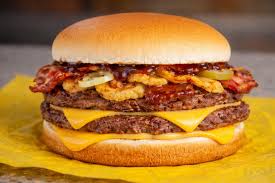
Menu prices are set based on a mix of costs, the dining experience, and what people are willing to pay. This includes how much it costs to make the food, the place itself, and the overall vibe. It’s a balance to make sure the restaurant stays open and you get a good meal.
What’s Really Behind Those Menu Prices?
The price tag on your favorite pasta dish or juicy burger isn’t just a random number. It’s the result of careful planning by the restaurant owner or manager. They look at many things before deciding the final cost.
This helps them run their business and still offer you good food.
Think of it like baking a cake. You need to buy the flour, sugar, and eggs. You also use your oven and your time.
The price of the cake must cover all those things. Restaurants do the same, but on a much bigger scale.
Several key factors come into play. These are the main reasons why one item might be cheaper than another. We will explore each of these in simple terms.
My First Restaurant Job: A Lesson in Price Tags
I remember my first job in a diner kitchen. I was young, maybe 17, and just happy to be earning. We made a lot of eggs, bacon, and toast.
The prices on the menu seemed pretty fair to me then. But then I saw the owner ordering supplies. He’d haggle over the price of eggs.
He tracked every scrap of bacon. He knew exactly how many slices went into a serving.
One day, a customer complained. “This sandwich is $12? That’s too much!” he huffed.
I felt a little embarrassed. But then the owner showed me something. He had a spreadsheet.
It listed the cost of the bread, the ham, the cheese, the lettuce, the special sauce. He even added a tiny bit for the electricity to toast the bread. The total cost to make that sandwich was almost $8.
Then he added his part for the rent, the staff wages, the napkins, and wanting to make a small profit. That $12 suddenly made a lot more sense. It wasn’t just about the sandwich; it was about the whole diner experience.
The Ingredients Cost (Food Cost)
This is the most obvious part. How much does it cost to buy the food that goes into your plate? Restaurants have to buy ingredients every single day.
The price of these ingredients can change a lot. Think about steak. A good cut of beef can be very expensive.
Fresh seafood, like lobster or fancy fish, also costs a lot. These items will naturally have higher prices on the menu.
On the other hand, things like pasta, rice, potatoes, and beans are usually cheaper. A simple tomato sauce might use inexpensive ingredients. So, a pasta dish with marinara sauce might cost less than a steak dinner.
Even the type of vegetable matters. Asparagus can be pricier than green beans depending on the season.
Restaurants often aim for a specific food cost percentage. This means they want the cost of the ingredients to be a certain percentage of the menu price. For example, they might aim for a 30% food cost.
If an item’s ingredients cost $3, they might price it at $10 ($3 / 0.30 = $10). This is a basic way to start setting prices.
Menu Pricing Tip: High-Cost vs. Low-Cost Ingredients
High-Cost Example: A grilled salmon fillet with roasted asparagus.
Salmon is expensive. Asparagus can also be pricey, especially out of season.
Low-Cost Example: A large bowl of spaghetti with marinara sauce.
Spaghetti and tomatoes are generally affordable ingredients.
Labor Costs: The People Behind the Plate
It takes a lot of people to run a restaurant. There are chefs and cooks in the kitchen. There are servers who take your order and bring your food.
There are dishwashers, hosts, and managers. All these people need to be paid. Their wages are a big part of the restaurant’s expenses.
A restaurant with a complex menu or very fancy presentation might need more skilled chefs. These chefs often command higher salaries. A busy restaurant that needs many servers to keep up with customers also has higher labor costs.
These costs have to be covered by the prices you see.
Some dishes require more preparation time or skill in the kitchen. A chef might spend an hour making a delicate sauce. Another dish might be something that can be assembled quickly.
The time and skill involved in preparing a dish directly impact its price.
Overhead Costs: The “Behind-the-Scenes” Expenses
This is the stuff people often forget. Overhead costs are all the expenses of running the building and the business itself. This includes:
- Rent or mortgage for the restaurant space.
- Utilities like electricity, gas, and water.
- Insurance for the business.
- Licenses and permits needed to operate.
- Marketing and advertising costs.
- Supplies like napkins, cleaning products, and tableware.
- POS systems and technology.
- Maintenance and repairs for equipment and the building.
A restaurant in a prime location, like a busy downtown area, will have much higher rent. This higher rent must be factored into the menu prices. A restaurant that uses fancy décor, comfortable seating, or has a live band will have higher overheads.
These costs are spread across all the items on the menu. So, even a simple dish like a salad has to help cover the cost of the fancy lighting or the comfortable chairs.
Understanding Overhead: A Quick Look
Rent: A big chunk of money every month.
Utilities: Keeping the lights on and the kitchen running.
Staff: Paying everyone who makes your meal possible.
Supplies: From forks to cleaning spray.
The Dining Experience: Atmosphere and Service
What kind of place are you eating at? A fast-food joint has different costs and expectations than a fine-dining restaurant. The entire experience matters when setting prices.
Atmosphere: Does the restaurant have fancy décor? Is it a quiet, intimate setting? Do they play soft music?
Or is it a lively, bustling place? All these elements cost money to create and maintain. A restaurant that invests in a beautiful ambiance will charge more.
Service Level: Are you served by a waiter who explains the menu, refills your water constantly, and checks on you regularly? Or do you order at a counter and bus your own table? High-touch service requires more staff and training, which adds to the cost.
Brand Reputation: Some restaurants are known for being high-end. People expect to pay more because of the restaurant’s name and reputation for quality. This is part of what you are paying for – the prestige.
Demand and Market Factors
What do people in that area typically pay for food? Restaurants look at what other similar places are charging. If all the restaurants around offer a burger for $15, a restaurant might hesitate to price theirs at $25, unless they offer something truly unique.
Supply and Demand: If a particular dish is incredibly popular and ingredients are scarce, the price might go up. Conversely, if something isn’t selling well, a restaurant might lower the price or remove it from the menu.
Target Audience: A restaurant in a wealthy neighborhood might price its items higher than a restaurant in a less affluent area. They know their customers can afford and are willing to pay those prices.
Seasonality: Certain foods are cheaper and more plentiful at different times of the year. Strawberries in summer cost less than strawberries in winter. This can affect the price of dishes featuring those ingredients.
Contrast Matrix: Pricing Expectations
Myth: Menu prices are just about the cost of the food.
Reality: Menu prices cover food, labor, rent, utilities, and the overall dining experience.
Myth: All burgers cost about the same to make and sell.
Reality: A gourmet burger with wagyu beef and truffle fries will cost more than a simple cheeseburger.
Profit Margin: The Business Bottom Line
Every business needs to make a profit. This is the money left over after all the expenses are paid. Profit allows the restaurant to grow, reinvest in the business, and survive.
Without profit, the restaurant would eventually close.
The profit margin is usually a percentage of the selling price. Restaurants typically aim for a profit margin of around 10-20%. This means that for every $10 dish sold, $1-$2 is profit.
Some items might have a higher profit margin than others. For example, drinks like soda, coffee, and tea have very low ingredient costs. Yet, they are often priced with a high markup.
A $3 soda might only cost the restaurant $0.20 to make. This high-margin item helps boost the overall profitability of the restaurant.
Menu Engineering: Strategic Pricing
Restaurants don’t just randomly put prices on their menu. They use something called “menu engineering.” This is a fancy term for designing the menu to guide customers towards higher-profit items.
Placement: Items in the top-right corner of a menu are often seen first and ordered more often. Restaurants might place their most profitable items there.
Descriptions: How a dish is described matters. Instead of “Chicken Sandwich,” a menu might say “Succulent Grilled Free-Range Chicken Breast on a Toasted Brioche Bun with Avocado and Spicy Aioli.” This sounds more appealing and justifies a higher price.
Visuals: Sometimes, placing a picture next to an item makes it more desirable. Restaurants are careful about which items they put pictures next to.
Pricing Format: Prices ending in .99 are common, but some places avoid them. They might use prices ending in .00 or .50 to appear more upscale.
Menu Engineering Quick Scan
Strategy: Item Placement
Effect: Top-right items often get more orders.
Strategy: Dish Descriptions
Effect: Detailed, appealing words can increase perceived value.
Let’s Break Down a Dish: Example Calculation
Imagine a restaurant is creating a new signature burger. Here’s a simplified look at how they might price it.
The “Gourmet Burger”
Ingredients Cost:
- Premium Beef Patty: $3.50
- Brioche Bun: $0.75
- Artisan Cheese: $0.50
- Special Sauce: $0.25
- Lettuce, Tomato, Onion: $0.20
- Seasoned Fries (as side): $0.75
- Total Food Cost: $6.00
Labor Cost (Estimated Prep Time):
- Kitchen Prep: $1.00
Overhead Allocation (per dish):
- Rent, utilities, etc.: $1.50
Total Cost to Make & Serve: $6.00 (Food) + $1.00 (Labor) + $1.50 (Overhead) = $8.50
Now, the restaurant needs to add profit. Let’s say they aim for a 40% markup on total cost.
Desired Profit: $8.50 * 0.40 = $3.40
Menu Price: $8.50 (Total Cost) + $3.40 (Profit) = $11.90
However, $11.90 might not sound appealing. They might round this up or down based on market research. They might decide to price it at $12.50 or even $13.00 if they know customers will pay that for a “Gourmet Burger” in their area, especially if it has fancy toppings or a unique sauce.
Quick-Scan Table: Burger Price Breakdown
| Category | Estimated Cost |
|---|---|
| Food Ingredients | $6.00 |
| Labor (Kitchen) | $1.00 |
| Overhead Allocation | $1.50 |
| Total Cost | $8.50 |
| Target Profit | $3.40 |
| Target Menu Price | $11.90 |
What This Means For You
Understanding menu prices helps you become a smarter diner. You can appreciate why some things cost more. You can also make better choices based on your budget.
When it’s Normal:
- Expensive ingredients like prime meats, fresh seafood, or out-of-season produce will always cost more.
- Dishes that require significant skilled labor or long preparation times will be priced higher.
- Eating at a restaurant with a great location, ambiance, and high-touch service means you’re paying for that entire experience.
- Popular items or those with limited supply might see higher prices due to demand.
When to Question (or Consider Alternatives):
- If a very basic dish with cheap ingredients has a surprisingly high price, it might be worth investigating. Is it a small portion? Is the quality exceptionally high?
- Be aware of drinks and sides. They often have a much higher markup than main courses. Sometimes, ordering water instead of soda can save you a few dollars.
- If a restaurant’s prices seem way out of line with comparable establishments in the same area, it might be a sign to look elsewhere unless the value proposition is clear.
Simple Checks:
- Look at the ingredients listed. Do they sound premium?
- Consider the restaurant type. Is it a casual cafe or a fine dining spot?
- Read reviews. Do other customers mention the value or pricing?
Smart Ways to Save on Your Next Meal Out
You don’t always have to pay full price. Here are a few simple tips:
- Look for Lunch Specials: Lunch menus often have smaller portions or simpler versions of dinner entrees at lower prices.
- Happy Hour Deals: Many places offer discounted appetizers and drinks during specific hours.
- Join Loyalty Programs: Some restaurants offer points or discounts for repeat customers.
- Order Water: As mentioned, drinks can add up quickly.
- Share Appetizers or Entrees: If portions are large, sharing can be cost-effective.
- Check for Coupons or Online Deals: Many websites and apps offer discounts.
- Order Before a Certain Time: Some restaurants have early bird specials.
Observational Flow: Making a Smarter Choice
Step 1: Check the menu for specials or lunch deals.
Step 2: Consider sharing an appetizer or entree if portions are large.
Step 3: Opt for water instead of a sugary drink to save money.
Step 4: Look for coupons or loyalty program rewards.
Step 5: Enjoy your meal without overspending!
Frequent Questions About Menu Prices
Why is a salad sometimes more expensive than a steak?
This can happen if the salad uses very expensive ingredients like imported cheeses, rare nuts, truffle oil, or a large amount of premium protein like lobster or grilled chicken breast. The preparation and presentation of a complex salad can also add to the cost, as can the ambiance and service of the restaurant where it’s served.
Do restaurants mark up drinks a lot?
Yes, drinks like soda, iced tea, coffee, and even some cocktails often have a very high markup. The cost of the ingredients is usually low, but they are priced much higher to increase the restaurant’s overall profit. This is a common strategy in the food service industry.
Why do prices change on menus?
Prices can change for many reasons. The most common reason is the fluctuating cost of ingredients. If the price of beef or fish goes up, restaurants often have to adjust their menu prices to cover the higher food costs.
Other reasons include changes in labor costs, rent, or overall business expenses.
Is it cheaper to eat at a restaurant during off-peak hours?
Sometimes. Many restaurants offer lunch specials or early bird dinners that are priced lower than their regular dinner menu. While the prices of individual items might not always change during off-peak hours, you can often find better value through these specific deals designed to attract customers during slower times.
What is a “psychological price” on a menu?
Psychological pricing is a strategy where prices are set just below a whole number, like $9.99 instead of $10.00. This makes the price seem significantly lower to the customer. Some restaurants, particularly high-end ones, avoid this and use prices ending in .00 or .50 to appear more transparent and less “salesy.”
How do restaurants decide what to put on the menu in the first place?
Restaurants consider many things: what their target customers like, what ingredients are available and cost-effective, what their chefs are skilled at making, what sells well from competitors, and what items can achieve a good profit margin. The goal is to create a menu that is appealing, profitable, and manageable for the kitchen.
Wrapping Up: The Story Behind Your Bill
So, the next time you look at a menu, remember it’s more than just numbers. It’s a carefully crafted plan. It balances ingredient costs, labor, rent, and the desire to make a profit.
It also considers the experience you’ll have. Understanding this helps you appreciate the value and make informed choices.