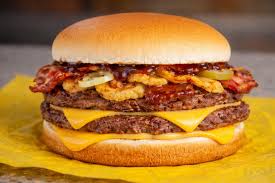
It feels like every week, a trip to grab a quick bite ends up costing more than you planned. You just want something easy and tasty, but the total on the screen makes your eyes widen. It’s frustrating when you’re trying to stick to a budget, and fast food, which is supposed to be fast and cheap, suddenly feels like a luxury.
But what if there were smarter ways to enjoy your favorite quick meals without breaking the bank? This guide is all about revealing those hidden gems and practical tips to help you enjoy fast food for less.
Fast food hacks are smart ways to order and eat that help you save money. They involve knowing the menu better, using deals wisely, and making simple choices that add up. You can enjoy quick meals more often by being a little more aware of how you order and what you choose.
Understanding Fast Food Pricing
Fast food places make money by selling lots of items. They have different prices for different things. Some meals seem like a good deal, but if you look closer, you might see ways to pay less.
It’s not just about picking the cheapest burger. It’s about knowing how their pricing works.
Think about combo meals. They bundle a main item, a side, and a drink. Often, this is cheaper than buying them all separately.
But what if you don’t want the fries or the soda? Sometimes, you can swap them out for something else. Other times, you might find it’s cheaper to just buy the main item and get your drink or side elsewhere.
Menu boards can be tricky. Prices are right there, but they don’t always show the best value. Have you ever noticed the “dollar menu” or “value menu”?
These sections are designed to offer low prices. But the items might be smaller, or they might not be the most filling options. Knowing what’s on these menus is key to saving money.
And let’s not forget about upgrades. Adding bacon, cheese, or a larger drink costs extra. These small additions can really increase the total bill.
When you’re trying to save cash, it’s best to stick to the basics or know which upgrades are truly worth the price.
Smart Ordering Strategies
Ordering smart is a big part of saving money at fast food places. It means knowing how to ask for what you want. It also means being aware of deals and coupons.
Don’t be afraid to customize your order to fit your budget. Most places are happy to make small changes.
One common hack is to order a “kid’s meal.” These often come with a main item, a small drink, and a small side, like apple slices or fries. For adults, a kid’s meal can be just the right size and much cheaper than a regular adult meal. You might even get a toy, which is a fun bonus!
Another trick is to order a la carte. This means buying items separately instead of as a combo. Sometimes, the price difference isn’t huge, but if you don’t need the fries or the drink, it adds up.
You can get just the sandwich you want and then grab a cheaper drink or snack somewhere else.
Don’t overlook the power of water. Drinks can be a significant part of your fast food bill. Ordering water instead of soda or juice is a simple way to cut costs.
Most places offer free water, and it’s the healthiest choice too.
When you get to the counter, speak clearly. Sometimes, you can ask for simple substitutions. For example, if you don’t like pickles, ask them to leave them off.
This doesn’t save money, but it makes sure you get what you like. If you can swap fries for a side salad, that might also be an option, though sometimes it costs extra.
Use apps and websites. Most fast food chains have apps that offer special deals, coupons, and loyalty rewards. Signing up for these can lead to free food or significant discounts.
Check these before you order to make sure you’re not missing out on any savings.
Deals and Apps: Your Best Friends
Always check the app. Many fast food chains have loyalty programs. You earn points for every dollar you spend. These points can be redeemed for free food or drinks.
Apps also send out exclusive deals to users.
Look for coupons. Mailers, newspapers, and online coupon sites often have discounts. Don’t throw away flyers without checking them.
Birthday treats. Some apps give you a free item on your birthday. Sign up ahead of time!
New customer offers. Often, the first order through an app comes with a special discount. Use this wisely!
Menu Hacks for Maximum Savings
Fast food menus can seem simple, but there are often hidden ways to get more for your money. These are what people call “hacks.” They are clever tricks that savvy customers use. You just need to know where to look and what to ask for.
One popular hack is ordering off the “secret menu.” This isn’t an official menu, but a collection of special items that employees know how to make. These items are often combinations of regular menu items. For instance, a “McGangbang” at McDonald’s is a McChicken sandwich inside a McDouble.
It’s a bigger sandwich at a lower cost than buying two separate items.
Another trick is ordering breakfast items all day. Some places, like McDonald’s, used to serve breakfast all day. While this has changed, some locations might still have breakfast items available.
If they do, they can be a cheaper and lighter option than lunch or dinner entrees. Check your local store’s hours for breakfast availability.
Consider ordering a side salad instead of fries. Often, this is a healthier choice. Sometimes, it’s even cheaper.
If you can get a side salad with a light dressing, it can be a great way to add some greens without a big cost. Make sure to ask if this substitution is allowed and if there’s a price difference.
You can also try ordering cheaper items and “dressing them up.” For example, a plain cheeseburger can be made more satisfying by adding extra toppings if they are free. Some places offer free toppings like lettuce, tomato, onion, and pickles. You can load up your basic burger without paying for premium add-ons.
A great hack for drinks is to order a “small” size and ask for “no ice.” This can sometimes give you more liquid than a standard drink. Also, consider ordering a plain coffee and adding your own cream and sugar if you have them on hand. Some places offer free hot water, which you can use for tea or to dilute juices.
Don’t forget about customization. If you order a sandwich, you can often ask for “extra” of certain free toppings like onions or pickles. This makes your sandwich feel more substantial without any extra cost.
It’s all about knowing what’s available and asking for it.
The Power of Portion Control and Swaps
Sometimes, saving money is about getting the right amount of food. You don’t always need the largest portion to feel full. And sometimes, you can swap one item for another that costs less.
Let’s talk about portion sizes. Large fries might seem like a good deal, but do you really eat them all? A medium or even a small might be enough.
The same goes for drinks. A medium soda has a lot of sugar and calories, and it costs more. Sticking to smaller sizes saves money and is often better for your health.
Swapping is a key strategy. If a combo meal comes with fries, but you’d rather have an apple slice or a side salad, ask if you can make that swap. Some places allow it for no extra charge.
Others might charge a small fee, but it could still be cheaper than buying the salad separately.
For example, at some burger joints, you can swap fries for a small chili or a baked potato. These might be more filling and offer different flavors. Always inquire about the available side options and their costs when you order.
What about condiments? Ketchup, mustard, and mayonnaise packets are usually free. Load up on these if you’re using them.
If you’re getting a plain burger, adding extra ketchup can make it taste more flavorful. This is a small thing, but it adds to the overall experience without adding to the bill.
Quick Swaps to Save Money
- Fries for Apple Slices: Often a healthier, sometimes cheaper, alternative.
- Soda for Water: Always free and saves you money.
- Large Drink for Medium: Less cost, fewer calories.
- Side Salad for Fries: Check for upcharge, but can be a good swap.
- Chicken Sandwich for Burger: Sometimes offers better value or is part of a promotion.
Leveraging Loyalty Programs and Rewards
If you find yourself eating fast food regularly, loyalty programs are your best friend. These programs are designed to reward repeat customers. They are a direct way to get more value for your money.
Most major fast food chains have a loyalty program. You usually sign up through their app or website. For every dollar you spend, you earn points.
These points can then be redeemed for free food items, drinks, or even entire meals. It’s like getting a discount on every purchase, just spread out over time.
Some programs offer a free item just for signing up. This is a great way to start saving right away. Other programs have tiers.
The more you spend, the higher status you reach, unlocking even better rewards and exclusive offers.
I remember when I first started using the coffee shop’s app. I was buying coffee almost every morning. After a few weeks, I had enough points for a free drink.
It felt like a little victory! That experience made me realize how much these programs can add up over time, even with small, regular purchases.
Don’t forget about birthday rewards. Many loyalty programs offer a special treat on your birthday, like a free dessert or drink. It’s a nice surprise and a good excuse to visit your favorite spot.
Make sure your birthday is updated in your account settings.
Beyond points, these programs often send out special coupons and deals directly to your inbox or app notifications. These are often exclusive to members and can offer significant savings, like buy-one-get-one-free deals or discounts on specific items. Make sure to enable notifications for these apps so you don’t miss out.
The Role of Off-Peak Times and Less Popular Items
When you choose to eat fast food can matter. Going during off-peak hours can sometimes lead to better deals or a more relaxed experience, allowing staff more time to focus on your order.
While most fast food places don’t offer explicit discounts for off-peak times, there’s an advantage. Staff are often less rushed. This means they can potentially take more care with your order, make sure it’s correct, and maybe even be more flexible with small requests.
It also means you’re more likely to get freshly prepared food.
Consider ordering items that aren’t the main stars of the menu. For example, if a place is known for its burgers, but also sells chicken tenders or fish sandwiches, these might be overlooked. Sometimes, they are part of a value menu or a special promotion.
It’s worth exploring the entire menu, not just the most popular items.
Another idea is to look at the sides. Instead of a full combo meal, you could order a few different sides. For instance, a side salad, a small chili, and an apple pie might add up to a satisfying meal at a lower cost than a large combo.
This strategy also allows for more variety in your meal.
Some restaurants offer breakfast items all day, or have extended breakfast hours. These items are often cheaper than lunch or dinner options. A breakfast sandwich or a small order of pancakes can be a budget-friendly meal any time of day if available.
Understanding “Secret” Menu Items and Modifications
The idea of a “secret menu” is exciting. It makes you feel like you’re in on an insider tip. These aren’t official menus printed by the company.
They are items that customers and employees have discovered over time.
These “secret” items are usually creations made by combining existing menu items. For example, a popular hack at McDonald’s is ordering a McDouble and adding a McChicken patty inside it. This creates a larger, more flavorful burger for less than the price of a premium burger like a Big Mac.
It’s important to know the exact name or how to describe it to the cashier.
Another example is the “Monster Mac” at McDonald’s. This is essentially a Big Mac with four patties instead of two. Again, it’s about combining components you can order.
You’d typically order a Big Mac and then ask for extra patties, or order two McDoubles and assemble it yourself.
At Starbucks, the “Pink Drink” is a famous example. It’s not on the main menu but is made with a Strawberry Acai Refresher base, coconut milk, and strawberries. It became so popular that Starbucks eventually added it to their official menu in many locations.
When ordering these, be specific. Say something like, “I’d like to order a McDouble, but can you add a McChicken patty to it?” Or, “I’d like a Big Mac with four patties, please.” The more precise you are, the easier it is for them to make it correctly.
It’s also important to remember that staff aren’t always familiar with every unofficial item. If they seem confused, try explaining how to make it using standard menu items. Sometimes, they might say they can’t do it.
This is usually because it requires too much extra work or ingredients they don’t readily have. In those cases, it’s best to just order a regular menu item.
Secret Menu Item Examples (with caution)
- McDonald’s McChicken in a McDouble: Combines two cheaper items for a bigger burger.
- In-N-Out Animal Style Fries: Fries with special spread, grilled onions, and cheese.
- Starbucks Pink Drink: Strawberry Acai base with coconut milk and strawberries.
- Burger King’s “Suicide Burger”: Four patties, four slices of cheese, bacon, and special sauce on a double cheeseburger. (Often requires specific ordering).
Note: Availability and willingness to make these vary by location and staff.
DIY Fast Food Bowls and Customizations
You can create your own “fast food bowl” using components from different places. This is a fun way to get a custom meal that might be healthier and cheaper.
Think about places that sell rice bowls or salad bowls. You can often build your own. Start with a base of rice or greens.
Then, choose your protein. Many places offer grilled chicken, beef, or beans. Finally, add your toppings.
Lots of places offer free toppings like lettuce, salsa, onions, and peppers.
A great example is Chipotle or similar fast-casual restaurants. You can order a bowl with rice, beans, your choice of meat, salsa, fajita veggies, and guacamole (though guacamole often costs extra). By carefully selecting your ingredients, you can create a filling and relatively healthy meal.
Even at traditional fast food places, you can sometimes deconstruct items. For example, ordering a grilled chicken sandwich but asking for it without the bun. You can then put the chicken and toppings over a bed of lettuce.
This turns it into a sort of deconstructed salad or bowl.
What about pizza? Instead of ordering a whole pizza, sometimes you can order “pizza by the slice.” If you only need one or two slices, this is much cheaper than a whole pie. Some places also offer smaller personal pizzas that are a good size for one person.
Consider places like Subway. You can order a sandwich on a “salad.” This means they put all the sandwich ingredients in a container over lettuce instead of in bread. It’s a healthy and often budget-friendly option.
You can still add all your favorite veggies and dressings.
The key is to think about the components of fast food. Most meals have a main protein, a starch, and some vegetables or sauce. By understanding these parts, you can mix and match to create your own custom meals.
The Truth About Value Menus
Value menus are designed to be the cheapest options. They are often the first place people look when they want to save money. But are they always the best deal?
The items on value menus are typically smaller portions. A dollar burger might be tasty, but it might not fill you up. This means you might end up needing to buy two or three items from the value menu to feel satisfied.
When you do that, the cost can quickly add up and become more expensive than a regular combo meal.
Also, value menu items are often the ones with the highest profit margins for the restaurant. They might use less premium ingredients or have simpler preparations. While they are cheap per item, they might not offer the best nutritional value or the most satisfying eating experience.
For example, a small fries might be on the value menu. But if you’re very hungry, you might eat those quickly and still want more. A medium fries included in a combo meal might be a better overall value if it keeps you full longer.
It’s important to compare the cost per ounce or per serving when possible. A cheap item that’s tiny might not be a good deal. If you’re looking for filling food, sometimes spending a little more on a combo or a larger entree is actually more economical in the long run because you won’t need to buy extra snacks later.
However, value menus are great for snacks or when you’re not extremely hungry. A small Frosty from Wendy’s or a small coffee can be a cheap treat. You just have to be mindful of how many “value” items you’re buying to make a full meal.
Value Menu – Pros and Cons
Pros:
- Lowest price point per item.
- Good for snacks or small appetites.
- Lets you try multiple items without high cost.
Cons:
- Often smaller portions.
- May not be filling enough for a full meal.
- Can lead to buying more items, increasing total cost.
- Nutritional value might be lower.
When is Fast Food a Good Deal?
Despite the cost concerns, there are times when fast food can be a surprisingly good deal. It’s all about context and what you need at that moment.
The most obvious time is when you’re traveling. If you’re on a long road trip and need a quick, convenient meal, fast food is often your best bet. Stopping at a sit-down restaurant takes much more time.
Gas station food can be expensive and not always appealing. Fast food chains are abundant and offer a predictable experience.
Another situation is extreme time crunch. If you have only a few minutes between appointments or after a late work meeting, fast food is there. It’s faster than cooking at home or even many takeout options.
The cost might be higher than home-cooked, but the time saved can be worth it.
Special promotions and coupons can make fast food a great deal. When there are buy-one-get-one-free offers, or coupons for 50% off a combo meal, the price can be very competitive. These deals often make fast food cheaper than a home-cooked meal when you factor in the cost of groceries and cooking time.
If you’re using loyalty rewards, that can also make fast food a good deal. Earning points and redeeming them for free food means you’re getting value that you wouldn’t get elsewhere. A “free” meal earned through rewards is definitely a good deal.
Finally, consider the “cost of convenience.” If cooking at home means buying ingredients you’ll only use once, or if you don’t have the time or energy to cook, fast food might be the more economical choice in that specific instance. It’s about weighing all the factors.
What this means for you is that fast food isn’t always the enemy of your budget. By understanding when to use it and how to order smartly, you can enjoy it without guilt. The key is mindful consumption and strategic ordering.
When to Worry About Fast Food Costs
While we’ve talked about saving money, it’s also important to know when fast food spending might be a problem. If your budget is tight, regular fast food can become a major drain.
If you find yourself eating fast food more than 2-3 times a week, it’s probably costing you a significant amount. A $10 combo meal twice a week adds up to $80 a month. If you do that three times a week, it’s $120 a month.
This money could be saved, invested, or used for other essential needs.
One sign to worry is if you’re choosing fast food because it’s the only option you can afford or access. This indicates a larger issue with your food budget or planning. It might mean you need to reassess your grocery shopping or meal prep habits.
If fast food spending is causing you to dip into savings or go into debt, that’s a clear red flag. Your financial health should always come first. Food is a necessity, but excessive spending on convenience food can jeopardize other financial goals.
Another concern is if you’re consistently feeling unsatisfied or regretful after eating fast food. While we’re focusing on cost, the emotional and physical impact matters too. If the expense isn’t matched by satisfaction, it’s a poor value regardless of the price.
Consider your overall spending. If fast food is a large percentage of your discretionary income, it might be time to cut back. Look at your bank statements or budget apps.
See where your money is going. If fast food is a significant line item, it’s an area where you can likely make cuts.
Think about the long-term effects. Regularly spending money on fast food could mean delaying other financial goals, like saving for a down payment, retirement, or even a vacation. It’s about prioritizing your financial future.
Simple Checks for Your Fast Food Budget
How can you easily check if your fast food spending is out of control? Here are a few simple steps.
Track Your Spending for a Week: For seven days, write down every single time you buy fast food and how much you spend. You can use a small notebook or a note app on your phone. This gives you a snapshot of your habits.
Review Your Bank/Credit Card Statements: Look at your statements for the past month. Search for the names of fast food restaurants. Add up the total amount spent.
This gives you a broader picture than just one week.
Compare to a Target Budget: Decide how much you want to spend on fast food per week or month. A common recommendation for a budget is to limit eating out to about 10-15% of your grocery budget, or a set dollar amount like $50-$100 per month, depending on your income. Compare your actual spending to this target.
Calculate the “Home Cooked” Alternative: Estimate how much it would cost to make a similar meal at home. For example, if you spend $15 on two fast food meals, calculate the cost of buying the ingredients to make two similar meals yourself. The difference can be eye-opening.
Assess Your Satisfaction: After you eat fast food, ask yourself: Was it worth the money? Did it satisfy me? Or do I still feel hungry or wish I had eaten something else?
If you’re not getting good value for your money, it’s a sign to reassess.
These simple checks can help you gain awareness. Knowledge is the first step to making changes if needed. You might find your spending is perfectly fine, or you might discover an area where a few small adjustments can make a big difference to your wallet.
Quick Fixes and Tips for Immediate Savings
Want to start saving money on fast food right now? Here are some easy tips you can use on your very next order.
Order Water: Always choose water over soda or other drinks. It’s free and healthy. You can even bring your own reusable water bottle to fill up.
Skip the Combo Upsize: Resist the urge to upgrade to a large drink or fries. Stick with the regular size. It saves money and calories.
Use Coupons and Apps: Before you even leave your house, check the restaurant’s app or website for current deals. Use any coupons you have.
Consider a Kid’s Meal: If you’re not a big eater, a kid’s meal can be a perfectly sized and much cheaper option.
Order A La Carte: If you don’t need the whole combo, just order the main item. You can then buy a drink or side separately for less, or get them elsewhere.
Share a Meal: If you’re with someone and both of you have small appetites, consider sharing a larger combo meal. You can often add an extra drink or a small side for less than buying two full meals.
Look for Daily Specials: Many fast food places have daily deals, like “Taco Tuesday” or “Wing Wednesday.” These can offer significant savings.
Buy in Bulk When Possible: If there’s a deal like “buy one get one free,” and you know you’ll eat the second item later or can share it, take advantage of it.
These are all simple steps that require very little effort but can lead to noticeable savings over time. They are practical, everyday hacks for your fast food budget.
Frequently Asked Questions About Fast Food Savings
Is it ever cheaper to eat fast food than cook at home?
Yes, sometimes. If you have very few ingredients at home, need to buy many items for a recipe, or if there are significant “buy one get one free” promotions, fast food can be cheaper. Also, consider the cost of your time if you’re extremely busy.
How much can I realistically save using fast food hacks?
You can realistically save anywhere from 10% to 50% or more on your fast food orders. This depends on how many hacks you use and the specific deals available. Small savings on each order add up significantly over weeks and months.
Are “secret menu” items always cheaper?
Not necessarily. Secret menu items are usually creative combinations of existing ingredients. Sometimes they are cheaper because they use less premium components, but other times they can be more expensive if they require multiple add-ons or larger portions.
Should I always use the restaurant’s app?
If you eat fast food often, yes, using the app is highly recommended. It’s the best way to access coupons, loyalty points, birthday rewards, and exclusive member deals that can significantly lower your costs.
What’s the best way to save money on drinks at fast food places?
The absolute best way is to order water, which is usually free. If you must have something else, stick to the smallest size available. Bringing your own reusable water bottle and refilling it at home before you go is also a great strategy.
Are value menus worth it?
Value menus can be worth it for snacks or small appetites. However, if you need a full meal, buying multiple value items might cost more than a regular combo. It’s important to compare the total cost and how filling the items are.
Conclusion: Eating Smart on the Go
Navigating the world of fast food on a budget might seem tricky, but it’s totally doable. By understanding menu pricing, using smart ordering tactics, and embracing digital deals, you can keep more money in your pocket. These hacks aren’t just about saving cash; they’re about being a more informed consumer.
Remember that small changes, like swapping a drink or using an app, can add up. Enjoying quick, tasty meals doesn’t have to break the bank. Eat smart!