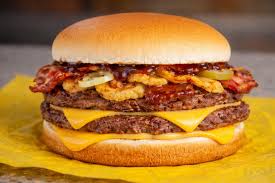
This guide explores the cheapest ways to eat fast food. It covers smart ordering, loyalty programs, off-menu hacks, and understanding value. The aim is to help readers save money on quick meals. It focuses on practical tips for making fast food more affordable.
Understanding Value in Fast Food
Fast food doesn’t always mean cheap food. Prices have gone up. This makes it tricky to eat out on a budget.
You might think a burger is just a burger. But the price can change a lot between places. It’s about more than just the cost of one item.
It’s about getting the most for your money. That means looking at portion sizes. It means considering what comes with your order.
Is a combo meal a good deal? Or is ordering items separately better? Thinking about these small things adds up.
It helps you make smarter choices. This way, your fast food habit stays friendly to your pocket.
Many factors influence fast food prices. Restaurant overhead is one. This includes rent, staff wages, and utilities.
The cost of ingredients also changes. Inflation plays a big role here. Marketing and advertising cost money too.
These costs get passed on to us. So, a low price often means the restaurant has found ways to be efficient. Or they are using cheaper ingredients.
It’s a balance. We want cheap food, but we also want it to taste good and be safe. That’s the tricky part.
Finding places that offer good value is key.
My Own Fast Food Budgeting Journey
I remember a time when my work schedule got crazy. I was working late most nights. The drive-thru became my best friend.
At first, I didn’t think much about the cost. I just needed food fast. But soon, I noticed my bank account shrinking.
My favorite combo meal seemed to cost more each week. One evening, I was staring at a menu. I felt a wave of frustration.
It felt like I was being punished for being busy. I decided then and there to get smarter about it. I started looking at the dollar menu more closely.
I learned about apps and coupons. It took some effort. But I found I could still grab a quick meal.
And I was saving quite a bit each month.
It wasn’t about stopping altogether. It was about being more mindful. I noticed that ordering a simple sandwich was often much cheaper than a big meal.
Or I’d look for deals that included a drink. Sometimes, it was about choosing a smaller size. I learned that many places have secret deals.
Or you can ask for modifications that save money. This exploration felt empowering. It showed me I had control.
I wasn’t just passively spending money. I was making active choices to get the best value. It made me feel less guilty about grabbing a quick bite.
It felt like a win.
Smart Ordering Hacks for Savings
Look for Value Menus: Most chains have a specific menu for low-cost items. These are often the best deals. They are designed to be budget-friendly.
Order A La Carte: Sometimes, ordering items separately saves money. Compare the combo price to the individual item prices. You might find a cheaper option.
Ask for Water: Drinks can add a lot to your bill. Ordering water is always free. It’s the cheapest way to stay hydrated.
Share Large Items: If a family member is with you, consider sharing larger fries or a drink. This cuts costs in half.
Navigating the Dollar Menu Maze
The dollar menu. It’s a classic for a reason. It promises low prices.
But you need to know what you’re getting. Some items on these menus are small. They might not fill you up.
This can lead to buying more items. Then, the cost goes up. It’s important to understand what each item offers.
Is it a full meal? Or is it more of a snack? Some dollar menus have items that are over a dollar now.
They are often called value menus. Prices can be $1.50 or $2. But they are still cheaper than regular items.
Consider what you need. If you just need a small bite, a dollar menu item is perfect. For example, a small fry or a basic hamburger.
If you need a full meal, you might need to combine a few items. This is where you can get creative. You could get a sandwich and a small side.
Or two smaller items. It’s about building a meal that fits your hunger and your budget. Don’t be afraid to mix and match.
That’s often how you find the best deals on the value menu.
Value Menu vs. Combo Deals
- Value Menu: Individual items priced low. Great for small appetites or adding to another purchase.
- Combo Deals: Main item plus fries and a drink. Can be a good deal if you want all items. But often more expensive than ordering separately.
- Savings Tip: Always check the price of ordering items separately. Sometimes, a combo is not the best value.
The Power of Loyalty Programs and Apps
This is where technology really helps. Most fast food chains have loyalty programs. These are usually run through a mobile app.
You get points for every dollar you spend. You can then use these points for free food. It’s like getting a discount on every order.
Apps also send out special offers. These can be free items. Or they can be percentage discounts.
You might get a free drink with a purchase. Or a discount on a specific meal. Signing up is usually free.
And the rewards start right away.
I found that by using the apps, I was getting freebies I wouldn’t have otherwise. Sometimes it’s just a small fry. Other times, it’s a whole sandwich.
It adds up over time. It’s important to activate the offers. Don’t just collect points.
Use the deals. Check the app before you order. See if there’s a special offer available.
This is a very effective way to cut down costs. It encourages repeat business for the restaurant. And it rewards you for being a loyal customer.
It’s a win-win situation.
Think about the different apps. McDonald’s, Burger King, Wendy’s, Taco Bell – they all have them. Each one offers different rewards.
Some might give you a free item on your birthday. Others have daily check-in bonuses. It might seem like a lot of apps.
But you can just use the ones for the places you visit most. Even using just one or two can make a difference. It’s a simple step.
But it’s one of the most effective ways to eat fast food cheaper.
Quick App & Loyalty Tips
Download First: Get the app before you order. Sometimes deals are app-exclusive.
Check Daily: Many apps have daily deals or ways to earn extra points.
Activate Offers: Don’t forget to tap “activate” on special deals.
Birthday Freebies: Many programs offer a free treat on your birthday.
Coupons and Special Offers
Coupons are old-school but still work. You see them in mailers. You find them online.
Some websites even list current coupon codes for fast food. These can offer significant savings. A coupon might give you a discount on a specific meal.
Or it could be a BOGO offer (Buy One, Get One). BOGO deals are great if you’re eating with someone else. Or if you don’t mind having leftovers.
You can get two meals for the price of one. That’s half price for each meal.
It’s worth taking a few minutes to look for coupons. Before you head out the door, do a quick search. “Fast food coupons near me.” Or check the specific chain’s website.
They often have a deals section. Don’t just grab the first coupon you see. Read the fine print.
Does it apply to what you want to order? Are there any exclusions? Some coupons only work on certain days.
Or for specific menu items. Making sure the coupon is valid for your order is important.
Sometimes, ordering online through the restaurant’s website or app is the only way to use certain coupons. Other times, you can present a printed coupon or show it on your phone at the drive-thru or counter. The rules vary by restaurant.
So, it’s good to know the policy. Using coupons regularly can save you a surprising amount of money over time. It’s another easy way to make fast food more affordable.
Beyond the Menu: Smart Substitutions and Modifications
This is where you can really get creative. Many fast food items can be changed. You can often swap out ingredients.
Or remove them. This can sometimes save you money. Or it can get you something you prefer for less.
For instance, if you don’t like onions, asking for “no onions” costs nothing. But if you can swap out a more expensive side for a cheaper one, that’s a win. Or if you can remove an ingredient that makes a sandwich pricier.
One common saving trick is to order a sandwich without cheese. If cheese adds a premium price, skipping it lowers the cost. Or perhaps you can get a larger drink size for the price of a smaller one.
This happens sometimes with special promotions. Another idea is to customize your meal. If you don’t eat fries, ask if you can swap them for a side salad.
Or maybe for a piece of fruit. Some places allow this. It might cost a little extra.
But it could be a healthier choice and still a good value.
Think about breakfast items too. Sometimes, ordering a breakfast sandwich without the meat can save you money. If the meat is what drives up the price.
You might still get the bun, egg, and cheese. Or you could order a side of pancakes instead of a full breakfast meal. These small adjustments might seem minor.
But they add up. They give you more control over your order and your spending. It’s about knowing what you can ask for.
Meal Customization Examples
- Sandwich Hacks: Ask for no cheese, no sauce, or add extra lettuce for free.
- Side Swaps: Inquire about trading fries for a side salad or fruit cup.
- Drink Choices: Opt for water to save money. Sometimes, a small drink is free with a coupon.
- Breakfast Savings: Order breakfast sandwiches without meat if it’s too pricey.
The “Secret Menu” Myth and Reality
You hear about secret menus a lot. These are supposedly special items not listed on the regular menu. People often share these online.
Things like the “Monster Mac” at McDonald’s or the “Lava Cake” at Burger King. While some places do have off-menu customization options, the idea of a true “secret menu” is often overblown. Most of these “secret” items are just combinations of existing ingredients.
You can usually ask for them to be made.
The real benefit of looking into these “hacks” is understanding how to combine items. Or how to ask for certain additions. For example, adding extra sauce is usually cheap.
Or combining two different burgers into one. But it’s not like there’s a hidden price list. You’re still paying for the individual components.
Sometimes, ordering these “secret” items can actually be more expensive. Because you’re essentially paying for several items at their regular prices. It’s more about creativity than actual secret savings.
What is real is asking for specific things. Like, “Can I have the spicy chicken sandwich but with the sauce from the regular chicken sandwich?” Or, “Can I get a plain cheeseburger with bacon added?” These modifications can personalize your meal. And sometimes, they can lead to a better value if you’re swapping out a more expensive topping for a cheaper one.
Just be prepared for the cost. It’s always best to ask the price before you order something unusual. This way, you won’t be surprised at the register.
Understanding Combo vs. A La Carte Pricing
This is a critical point for saving money. Combo meals often look like a great deal. They bundle a main item, fries, and a drink.
But are they really the cheapest option? Not always. Let’s break it down.
The price of a combo meal is usually higher than the main item alone. The fries and drink are added on. Sometimes, the cost of those additions is more than if you bought them separately.
Or if you just got what you needed.
Imagine a burger costs $5. A combo with fries and a drink is $8. The fries might cost $2 and the drink $2 if bought separately.
In this case, the combo is a good deal: $5 + $2 + $2 = $9, but you pay $8. However, what if the fries are $1.50 and the drink is $1.50? Then the combo is $8, but buying separately is $8.
The combo offers no savings. And what if you don’t want fries? Or you always get water?
Then you’re paying extra for things you don’t want.
It’s always wise to do a quick mental calculation. Or check the prices on the menu board. Compare the combo price to the price of the main item plus the sides you actually want.
If you only want the burger and a drink, check the burger price and the drink price. Add them up. See how that compares to the combo price.
You might find that ordering a la carte saves you money. Especially if you skip the fries or bring your own drink.
Combo vs. A La Carte: A Quick Check
| Scenario: You want a burger and a drink. | Combo Meal: Burger + Fries + Drink = $8.00 | A La Carte: Burger = $5.00 + Drink = $1.50 = $6.50 |
| Savings: Ordering a la carte saves $1.50. | Recommendation: Choose a la carte in this case. | Tip: Always compare prices. |
Fast Food Breakfast: Often the Cheapest Meal
If you’re looking for the absolute cheapest way to eat fast food, breakfast is often your best bet. Breakfast menus typically have lower price points than lunch or dinner menus. Think about the cost of a breakfast sandwich compared to a burger.
Or a small coffee versus a large soda. The ingredients are often simpler and less expensive. This translates to lower prices for us consumers.
Many fast food places offer breakfast deals. Or items on their dollar menu that are specifically for breakfast. You can often get a full breakfast for under $5.
This might include a sandwich, a small hash brown, and a coffee. This is significantly cheaper than a similar meal at lunch. Even if you’re not an early riser, some places serve breakfast all day.
Or at least through mid-morning. So you can still take advantage of these lower prices.
Consider items like pancakes, oatmeal, or biscuits. These are usually very affordable. Even adding a side of sausage or bacon might be cheaper than adding a premium topping to a burger.
If you’re trying to stretch your food budget, making fast food breakfast your go-to meal is a smart strategy. It provides a filling option without the high cost of dinner. Plus, it’s a quick and easy way to get a meal on the go.
The “Free Refill” Advantage
When you’re dining in, the option of free drink refills can be a major money saver. Not all fast food places offer this. But many do.
Especially larger chains. If you order a soda and the restaurant offers free refills, you can get more bang for your buck. Instead of just one drink, you can have several.
This is especially useful if you’re planning to sit and eat for a while. Or if you’re really thirsty.
When you order your drink, ask if refills are free. If they are, make sure you keep your cup. Then, you can go back to the counter or drink station to get more.
This is a perk that many people forget about. It’s a simple way to extend the value of your meal. Even if you don’t finish your first drink, knowing you can get another for free is a comfort.
It means you won’t need to buy another beverage later if you get thirsty.
Some places might have a time limit on refills. Or they might only allow refills on certain sizes. But generally, for fountain drinks, free refills are common.
It’s a good practice to check the restaurant’s policy. If you’re really trying to save every penny, this can make a difference. Especially if you’re accustomed to buying multiple drinks throughout the day.
Consolidating your drink purchases at one place with free refills can cut costs significantly.
When to Avoid Fast Food for Savings
While this guide is about saving money on fast food, it’s also important to know when it’s not the cheapest option. If you’re cooking at home, you can often prepare meals for much less. Buying ingredients in bulk can be very economical.
And you have more control over what you eat. For example, a week’s worth of groceries for one person might cost less than a few fast food meals.
Consider the cost per meal. If you make a big pot of chili or a large pasta dish, you’ll have meals for several days. The cost per serving is usually very low.
Fast food, even with the cheapest options, adds up. If you eat out every day for lunch, the total monthly cost can be substantial. This is especially true if you’re buying combos or adding extras.
Also, think about health. While this is about cost, health and cost are often linked. Eating fast food frequently can lead to health issues.
These can result in medical bills. So, in the long run, healthy home-cooked meals can be cheaper. It’s about finding a balance that works for your lifestyle and your budget.
Sometimes, the cheapest option is the one you prepare yourself. Fast food is best for convenience and occasional treats.
Cost Comparison: Home vs. Fast Food
Home Cooking:
- Cost: Typically much lower per meal.
- Control: Full control over ingredients and portion sizes.
- Health: Generally healthier options.
- Effort: Requires planning, shopping, and cooking time.
Fast Food:
- Cost: Can be low for single items, but adds up quickly.
- Convenience: High convenience, saves time.
- Health: Often high in fat, sodium, and calories.
- Value: Best for occasional treats or when time is very limited.
What This Means for Your Wallet
So, what’s the takeaway? You can definitely eat fast food on a budget. It requires a little planning and smart choices.
The cheapest way is usually by focusing on value menus. Using loyalty programs and apps for deals. And being mindful of combo versus a la carte pricing.
Breakfast is often the most affordable meal of the day. Remember to look for coupons and ask about modifications that can save you money.
It’s not about never eating fast food. It’s about being a savvy consumer. By understanding how prices work and what deals are available, you can enjoy quick meals without draining your bank account.
Even small savings add up. So next time you’re craving a burger or some fries, use these tips. You’ll be surprised at how much you can save.
This makes your busy life a little easier and your wallet a little happier.
Frequent Questions About Eating Fast Food Cheaply
What is the absolute cheapest item at most fast food restaurants?
The absolute cheapest items are typically found on the value or dollar menus. This often includes plain hamburgers, small fries, or basic chicken sandwiches. However, prices can vary significantly by restaurant and region.
Always check the specific menu for the lowest-priced options.
Are combo meals ever the cheapest way to eat fast food?
Combo meals can be a good deal if you want all the components (main item, fries, drink) and the bundled price is less than buying them separately. However, if you don’t need the fries or drink, ordering items a la carte is often cheaper. It’s always best to compare the prices.
How can I save money if I don’t want fries with my meal?
If you don’t want fries, ask if you can substitute them for a cheaper side like a side salad, fruit cup, or even just a drink. Some restaurants allow this, and it can save you money. If not, ordering the main item separately without a combo is usually the best bet.
Are there any fast food places that are known for being cheaper than others?
Generally, value-focused chains like McDonald’s, Burger King, Wendy’s, and Taco Bell tend to have more budget-friendly options like dollar or value menus. However, prices can change, so it’s always good to check current deals and menus for any fast food establishment.
How much can I realistically save by using fast food apps and loyalty programs?
You can realistically save quite a bit, often ranging from 10% to 30% or more over time, depending on how often you eat fast food and the specific offers. Free items, discounts, and points accumulation can add up to significant savings each month.
Is it cheaper to eat fast food for breakfast or dinner?
Typically, breakfast menus at fast food restaurants are cheaper than their lunch or dinner menus. Breakfast sandwiches, coffee, and sides often have lower price points due to simpler ingredients and smaller portions. Many places also offer all-day breakfast, allowing you to access these savings anytime.
Conclusion
Finding the cheapest way to eat fast food is totally doable. It takes a bit of know-how. But the savings are real.
Focus on value menus, use your apps, and compare combo prices. Smart choices mean you can satisfy your cravings without emptying your wallet. Enjoy your next affordable meal!