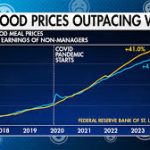
The Big Mac price by year shows a steady increase over time. Factors like inflation, ingredient costs, labor, and local market conditions influence its changing cost. Understanding these elements helps explain the price shifts you see at McDonald’s.
What Exactly is the Big Mac?
The Big Mac is more than just a burger. It’s a cultural icon. McDonald’s introduced it in 1967. It was created by Jim Delligatti. He was a franchisee in Uniontown, Pennsylvania. The goal was to create a bigger, more satisfying burger. It quickly became a menu staple.
It’s known for its special ingredients. Two all-beef patties are standard. They are topped with lettuce, cheese, pickles, and onions. It all sits on a three-part sesame seed bun. And, of course, there’s the famous Big Mac sauce. This sauce is tangy and creamy. It’s a big part of what makes the Big Mac unique.
Why Do We Track the Big Mac Price?
Tracking the price of a Big Mac over time is interesting. It’s also quite useful. Why? Because the Big Mac is a consistent product. McDonald’s aims for a similar experience worldwide. This makes it a good benchmark. It helps us see how costs change.
We can see how inflation affects everyday items. The Big Mac price can reflect economic trends. When the price goes up a lot, it might signal higher inflation. This is true for ingredient costs. It’s also true for labor. The cost of doing business at McDonald’s changes.
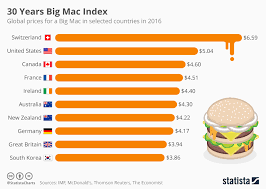
This tracking also shows differences. The Big Mac price isn’t the same everywhere. It varies by country. It even varies by city. This can tell us about local economies. It can show purchasing power too. The Economist magazine even uses it. They call it the “Big Mac Index.” This index compares currencies. It’s a simple way to see if a currency is over or undervalued.
The Big Mac Price: Early Years (1960s-1970s)
When the Big Mac first came out, it was quite affordable. Think about the 1960s and 1970s. Money went further back then. The original price was about 45 cents. This was in 1967. That was a good deal for a filling meal.
By the mid-1970s, the price had risen a bit. It might have been around 65 cents. Or maybe closer to a dollar. These exact numbers can vary by location. But the trend was clear. Prices were going up slowly. This was normal for the time.
The economy was different then. Inflation was present, but often less intense than in later decades. The cost of beef, bread, and other ingredients was lower. Labor costs were also lower. McDonald’s was also a newer company. They were growing fast. They focused on volume and consistency.
The Big Mac Price: A Look at the 1980s
The 1980s saw more significant price changes. The Big Mac was now a nationwide favorite. McDonald’s was a huge chain. By the early 1980s, the price had passed the one-dollar mark. A common price point was around $1.25 to $1.50.
By the end of the 1980s, it might have been closer to $1.75 or even $2.00 in some places. This increase reflects several factors. Inflation was higher in the 1980s. The cost of doing business rose. Wages for employees also started to climb.
This was also a time of brand building for McDonald’s. They invested heavily in marketing. “You deserve a break today” was a popular slogan. These costs also need to be covered. So, the price of the Big Mac started to show more dramatic shifts. It was moving past the simple nickel and dime increases.
The Big Mac Price: The 1990s and Beyond
The 1990s continued the upward trend. The Big Mac price moved into the $2 range. By the mid-90s, you might have paid $2.25 to $2.50. Towards the end of the decade, it could be $2.75 or more.
The 21st century brought even more changes. The Big Mac price climbed steadily. By the early 2000s, it was often over $3.00. Think about the late 2000s and 2010s. Prices pushed towards $4.00.
In recent years, you often see Big Mac prices ranging from $4.50 to over $6.00. This depends heavily on where you are. Major cities or tourist areas can be more expensive. Rural areas might be a bit cheaper.
These increases are due to many things. Ingredient costs have gone up. The price of beef, cheese, and produce fluctuates. Labor costs have also increased significantly. Minimum wage laws change. Competition for workers drives up pay.
Real estate costs play a role too. McDonald’s restaurants are often in prime locations. Rent or property costs are high. Operational costs, like utilities and insurance, also add up. Marketing and advertising budgets remain large.
Big Mac Price by Year: Key Milestones
Let’s break down some approximate prices by decade. Remember, these are general estimates. Actual prices varied by location.
1960s: Around $0.45 (Introduction)
1970s: $0.65 – $1.00
1980s: $1.25 – $2.00
1990s: $2.00 – $2.75
2000s: $3.00 – $4.00
2010s: $4.00 – $5.50
2020s (Early): $4.50 – $6.00+
This shows a clear pattern. The price has gone up almost every year. But the rate of increase has sometimes sped up.
The Big Mac Price: A Decade-by-Decade View
1960s: The Birth of a Burger
Started at a modest $0.45. A bargain for a filling meal.
1970s: Gradual Climb
Prices slowly rose, typically under $1.00.
1980s: Crossing the Dollar Mark
The Big Mac became a multi-dollar item, often $1.25 to $2.00.
1990s: Steady Increase Continues
Prices moved into the $2 to $3 range.
2000s: Inflation Takes Hold
The Big Mac commonly cost $3.00 to $4.00.
2010s: Accelerated Rise
Prices pushed towards $5.00 and beyond.
2020s: New Highs
Costs often exceed $5.00, sometimes reaching $6.00+ depending on location.
Factors Influencing the Big Mac Price
Several key elements affect how much a Big Mac costs. It’s not just one thing. It’s a mix of economic forces.
1. Ingredient Costs
The most obvious factor is the price of the food itself. This includes:
Beef: The cost of ground beef can change a lot. Supply and demand for cattle matter. Feed costs for the animals also play a role.
Bread: The price of flour and wheat affects bun costs.
Lettuce, Onions, Pickles: These fresh produce prices vary by season and harvest.
Cheese: Dairy prices influence the cost of American cheese slices.
Sauce Ingredients: Oils, spices, and other components in the special sauce also have costs.
When any of these go up, McDonald’s has to consider passing some of that cost on.
2. Labor Costs
Paying employees is a major expense for any restaurant. This includes:
Wages: Minimum wage laws change. Competition for workers can also drive up hourly pay.
Benefits: Health insurance and other benefits add to labor costs.
Training: Training new staff costs money and time.
As labor costs rise, so does the price of the final product.
3. Operational Costs
Running a restaurant involves many other expenses:
Rent/Real Estate: Prime locations cost more. Land prices and lease agreements are significant.
Utilities: Electricity, gas, and water bills add up.
Equipment: Maintaining grills, fryers, and POS systems costs money.
Supplies: Packaging, cleaning supplies, and other necessities are ongoing costs.
Insurance: Business insurance protects against various risks.
All these overhead costs contribute to the Big Mac price.
4. Inflation
Inflation is the general increase in prices and decrease in the purchasing value of money. Over time, the same amount of money buys less. This means prices for almost everything rise. The Big Mac is not immune to this general economic trend. Even if other costs stayed the same, inflation alone would push the price up.
5. Supply Chain and Transportation
Getting ingredients from farms to the restaurants involves a complex supply chain. The cost of fuel for trucks. The availability of shipping containers. These factors can influence how much it costs to get the Big Mac’s components to the stores. Disruptions in the supply chain, like those seen in recent years, can significantly increase costs.
6. Local Market Conditions
Prices can vary greatly from one location to another. Factors include:
Competition: In areas with many fast-food options, prices might be more competitive.
Local Economy: Areas with higher average incomes might support higher prices.
Demand: Popular tourist spots or busy urban centers might charge more.
Taxes and Regulations: Local taxes or specific regulations can affect operating costs.
Quick Scan: Why Big Mac Prices Change
- Ingredients: Cost of beef, bread, cheese, produce, sauce items.
- Labor: Wages, benefits, training for employees.
- Operations: Rent, utilities, equipment, supplies, insurance.
- Inflation: General rise in prices, decrease in money’s value.
- Supply Chain: Fuel costs, transportation, logistics.
- Local Factors: Competition, economic health, demand, taxes.
The Big Mac Index Explained
As mentioned, The Economist uses the Big Mac as an economic indicator. This is called the Big Mac Index. It’s a lighthearted way to measure purchasing power parity (PPP). PPP theory suggests exchange rates should equalize the price of goods and services between countries.
The idea is simple: A Big Mac should cost roughly the same everywhere. If it costs much less in one country than another, its currency might be undervalued. If it costs much more, the currency might be overvalued.
For example, if a Big Mac costs $5.00 in the U.S. and 3.00 Euros in Germany. And the exchange rate is 1 Euro = $1.10. Then the implied exchange rate based on PPP is 3.00 Euros * $1.10/Euro = $3.30. Since the Big Mac costs $5.00 in the U.S., the Euro is considered undervalued against the dollar according to this index.
This isn’t a perfect economic tool. It doesn’t account for local taxes, import duties, differences in labor costs, or market competition. But it’s a fun and easy way to grasp currency valuation concepts.
Comparing Big Mac Prices Across the U.S.
The Big Mac price can vary significantly even within the United States. A quick search can show you this.
New York City: You might see prices well over $6.00, sometimes even $7.00. This is due to high real estate costs and demand.
Rural Midwest: In smaller towns, you could find a Big Mac for closer to $4.50 or $5.00. Lower operating costs and less competition play a role.
California: Prices here often fall between New York and the Midwest, perhaps in the $5.00 to $6.50 range. State minimum wage laws can impact this.
These differences highlight how local economic conditions impact the price of even a standardized item like the Big Mac.
Big Mac Price Comparison Snapshot (Estimates)
| Location Type | Estimated Price Range |
|---|---|
| Major Coastal City (e.g., NYC) | $6.00 – $7.50+ |
| Large Inland City | $5.00 – $6.50 |
| Suburban Area | $4.75 – $6.00 |
| Rural Town | $4.50 – $5.50 |
When is a Big Mac Price Normal?
What’s a “normal” price for a Big Mac? This is subjective and depends on your location and the current economic climate.
Consider your local economy: If your area has high costs of living, a higher Big Mac price might be expected.
Think about inflation: General price increases are a fact of life. If the price has risen by a small amount each year, it’s likely normal inflation.
Look at the menu: If the price is listed clearly on the menu, that’s the official price.
When Should You Be Concerned About the Price?
You might raise an eyebrow if:
The price jumped drastically overnight: A sudden, huge increase without clear reason could be a red flag. This is rare for a standardized item like the Big Mac unless there was a major change in local taxes or operational costs.
It seems much higher than similar items: If a Big Mac costs significantly more than other comparable fast-food burgers in the same area, it might be worth questioning.
You’re in a location where prices are typically much lower: If you’re in a small town and the price is suddenly very high, investigate if there’s a local reason.
Most of the time, the price you see at the counter is simply a reflection of the current economic realities.
The Experience of Paying More for a Big Mac
I remember visiting my hometown after being away for several years. I walked into the familiar McDonald’s. I ordered my usual Big Mac combo. When I saw the total, I blinked. It was almost double what I remembered paying just a few years prior.
It wasn’t a shock that prices had gone up. That’s expected. But the magnitude of the increase felt significant. It made me pause. I thought about what ingredients cost now. I thought about what my friends who worked in fast food were making.
It brought home the reality of inflation. It wasn’t just numbers on a news report. It was hitting my wallet for a simple, everyday purchase. I still bought the Big Mac. It was a craving I couldn’t ignore. But it definitely made me more aware of how prices are changing.
Are There Ways to Save on a Big Mac?
While the price might seem high, there are often ways to get a Big Mac for less.
McDonald’s App: The McDonald’s mobile app often has deals. You can find coupons for free items or discounts on meals. Sometimes, they offer a Big Mac at a reduced price.
Dollar Menu (if applicable): While true “dollar menus” are less common now, McDonald’s might have value menus. Look for special promotions.
Value Meals: Buying a Big Mac as part of a combo meal (with fries and a drink) can sometimes be cheaper than buying each item separately.
Loyalty Programs: If McDonald’s has a loyalty program, racking up points can lead to free food.
These small savings can add up over time. It’s worth checking the app or asking about current deals before you order.
The Future of the Big Mac Price
Predicting the exact Big Mac price for future years is impossible. However, we can make educated guesses based on current trends.
Continued Inflation: It’s highly likely that inflation will continue to affect prices. Ingredients, labor, and operational costs will probably keep rising.
Technology and Efficiency: McDonald’s constantly looks for ways to be more efficient. New technology in kitchens or ordering systems might help offset some cost increases, but likely won’t stop them.
Consumer Demand: As long as the Big Mac remains popular, McDonald’s will likely adjust prices to meet demand and cover costs.
Global Events: Economic downturns, natural disasters, or geopolitical events can all impact supply chains and ingredient costs, leading to price volatility.
We can expect the Big Mac price to continue its upward journey. The rate of increase might fluctuate. But the general trend will likely remain the same.
Frequently Asked Questions About Big Mac Prices
What was the first price of a Big Mac?
The first Big Mac was sold in 1967 for 45 cents.
Why is the Big Mac price different in different cities?
Prices vary due to local factors like rent, labor costs, taxes, competition, and overall demand in that specific market.
Is the Big Mac Index accurate?
The Big Mac Index is a fun way to compare currencies, but it’s not a precise economic tool. It doesn’t account for all the local variables that affect pricing.
How much does a Big Mac cost today?
As of early 2024, the average price for a Big Mac in the U.S. is typically between $4.50 and $6.00, but can be higher in expensive areas.
Are there deals to get a Big Mac cheaper?
Yes, you can often find deals on the McDonald’s app, through value meals, or special promotions.
Will the Big Mac price keep going up?
Based on economic trends like inflation and rising operational costs, it’s likely the Big Mac price will continue to increase over time.
Final Thoughts on the Big Mac Price
Tracking the Big Mac price by year offers a fascinating glimpse into economic changes. It shows us how inflation, ingredient costs, and labor expenses impact our everyday purchases. While the price has steadily climbed since its introduction, the Big Mac remains a recognizable symbol. It’s a simple way to connect with the changing economic landscape around us. Keep an eye on that price tag; it tells a story.