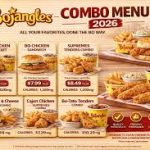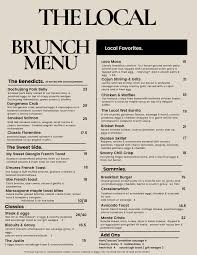
Local chain menu prices can vary due to ingredient costs, labor, location, and operational expenses. To find current prices, check the restaurant’s official website, mobile app, or call them directly. Online ordering platforms also usually display up-to-date pricing.
Understanding Your Local Chain’s Menu Prices
Ever wonder why the cost of your go-to burger or pasta dish seems to creep up? It’s a question many diners have. Local chain restaurants, while often more affordable than big national brands or independent upscale spots, still face many of the same economic pressures.
These pressures directly influence what they have to charge for their food.
Think about it: every ingredient, from the lettuce in your salad to the special sauce on your sandwich, has a cost. And those costs aren’t fixed. They can go up and down based on seasons, weather, and global supply chains.
This is true for almost every item on a local chain menu. It’s not just one ingredient; it’s all of them.
Beyond the food itself, there are other significant expenses. The people who prepare your food and serve you need to be paid. The lights in the restaurant need to stay on.
The rent for the building adds up. All these operating costs play a big role. Restaurants have to set prices that cover these expenses and allow them to keep running.
The location of a restaurant also matters. A chain with a location in a busy downtown area might have higher rent than one in a quieter suburb. This difference can show up in the prices.
Even within the same chain, prices might be slightly different from one town to another. It’s about the cost of doing business in that specific spot.
My Own Price Surprise Moment
I remember this one time, a few years back. I was visiting my parents in a different town, and my absolute favorite pizza place, a small local chain I grew up with, was there. I hadn’t been in ages.
I was so excited to get a taste of home. We walked in, and I immediately went for my usual large pepperoni. It was my comfort food.
When the bill came, I blinked. The pizza was a few dollars more than I remembered paying at the location near my own home. I did a double-take.
Was I mistaken? Had they raised prices everywhere? I felt a little jolt of surprise, maybe even slight annoyance.
It wasn’t a huge difference, but it was noticeable.
My mom just smiled and said, “Oh yeah, prices change, honey. Especially with how things are these days.” That’s when it really hit me. It wasn’t just about this one pizza; it was a whole bigger picture I hadn’t been paying close enough attention to.
That moment made me curious. How often do these prices change? What makes them go up or down so much?
It’s not like they’re putting gold flakes on the pizza. It’s just good, simple food. But the economics behind it are more complex than I had initially thought.
It got me thinking about the whole system.
This experience taught me to be more aware. Now, I always check menus, especially if I haven’t been somewhere in a while or if I’m in a new area. It’s not about being cheap; it’s about knowing what to expect.
It’s about being prepared before I get to the register and feel that little sting of surprise.
It also made me appreciate the effort restaurants put in. They have to balance quality and affordability. They have to deal with rising costs while trying to keep customers happy.
It’s a tough balancing act, and seeing that firsthand changed my perspective a bit.
So, when you see a price change, remember that it’s usually not arbitrary. There are real reasons behind it. And being informed helps you navigate those changes without feeling caught off guard.
It’s about staying in the loop with your favorite local spots.
Factors Affecting Local Chain Prices
Ingredient Costs: The price of raw food items like meat, vegetables, and dairy can fluctuate. Supply and demand, weather, and even global events impact these. When these costs rise, restaurants often have to adjust their menu prices to maintain profitability.
This is a constant challenge for food businesses.
Labor Expenses: Wages for cooks, servers, and managers are a significant part of a restaurant’s budget. Minimum wage increases or general market rates for labor can drive up operational costs. To compensate, businesses may increase menu prices.
Rent and Utilities: The cost of maintaining a physical location, including rent, electricity, gas, and water, varies by area. Prime locations or areas with higher utility rates will naturally lead to higher menu prices.
Operational Overheads: This includes everything from cleaning supplies and insurance to marketing and technology. These day-to-day costs add up and are factored into the final price of each dish.
Local Market Conditions: Competitor pricing in a specific area can also influence a restaurant’s pricing strategy. They might adjust their prices to remain competitive while still covering their costs.
What Influences Menu Prices?
Let’s dive a bit deeper into what actually makes those numbers on the menu change. It’s not just a random decision. There are several key areas that restaurant owners and managers consider when setting and adjusting prices for their local chain menu items.
The most direct influence is the cost of ingredients. Think about a burger. It needs beef, buns, lettuce, tomatoes, onions, cheese, and maybe a special sauce.
If the price of beef goes up dramatically because of a drought affecting cattle ranches, that directly increases the cost to make each burger. This happens with almost every single food item.
Then there’s labor. The people who chop the vegetables, grill the burgers, and serve your food deserve fair wages. As minimum wage laws change or as the demand for skilled kitchen staff increases, the cost of labor goes up.
Restaurants have to factor this into their pricing to ensure they can attract and keep good employees.
Location, location, location. This classic real estate saying holds true for restaurants too. A restaurant in a bustling downtown area with high foot traffic will likely have much higher rent than one in a quieter neighborhood or a strip mall.
Higher rent means higher operating costs, which need to be covered by sales. So, a burger might cost a dollar more in one part of town than another, even at the same chain.
Utilities are another big one. Heating, cooling, lighting, and running kitchen equipment all cost money. In areas where electricity or gas prices are higher, this expense adds up.
This cost is then spread across all the dishes sold.
Operational costs go beyond just rent and utilities. Think about insurance, marketing to let people know about new specials, POS systems (the machines that take orders and payments), cleaning supplies, and even waste disposal. All these are necessary for running a restaurant and contribute to the overall cost of doing business.
Finally, market forces play a role. If there are many similar restaurants nearby, a chain might keep its prices competitive. If they are the only option for a particular type of food, they might have a bit more leeway.
They have to look at what their competitors are charging and decide how to position themselves. They want to be seen as offering good value.
So, when you see a price increase, it’s usually a response to one or a combination of these factors. It’s a careful calculation designed to keep the business afloat while still serving customers the food they love.
Finding the Most Current Menu Prices
Okay, so prices can change. That’s clear. But how do you actually find out what the price is right now?
This is the practical part, and thankfully, there are several reliable ways to get this information without any guesswork. Being prepared before you get to the restaurant or start your online order makes the whole experience smoother.
The most direct and accurate source is always the restaurant’s official website. Most local chains these days invest in a decent website that includes their full menu. Often, the prices are listed right there next to each item.
This is usually the first place I check. It’s straightforward and directly from the source.
Many chains also have their own mobile apps. These apps are great for ordering ahead, but they almost always feature the up-to-date menu with current pricing. Some even offer app-exclusive deals or loyalty programs, which is a nice bonus.
If you’re a regular at a particular chain, downloading their app can be very convenient.
Another very reliable method is to simply call the restaurant directly. If you’re unsure or can’t find the information online, picking up the phone and asking is a quick way to get an answer. The staff are usually happy to tell you the price of a dish.
This is especially useful if you’re trying to budget for a group meal or event.
Online ordering platforms are also a good indicator. Think of services like DoorDash, Uber Eats, or Grubhub. While these platforms add their own service fees, the base menu prices listed on them for the restaurant are generally current.
Restaurants update their menus on these platforms to reflect their current offerings and prices. Just be mindful of the extra fees these services add.
Sometimes, menus at the restaurant itself are updated more frequently than online versions. If you’re dining in, the physical menu you receive is the most accurate reflection of current prices. However, if you’re ordering takeout or delivery, it’s always best to verify online or by phone if possible, as menus might be printed in batches and not reflect very recent changes.
One thing to keep in mind is that prices can sometimes vary slightly between different locations of the same chain, as we discussed. So, if you’re checking a website or app, make sure you’ve selected the specific location you plan to visit or order from. This ensures you’re looking at the most accurate pricing for your area.
Quick Price Check Guide
- Official Website: Look for a “Menu” or “Our Food” section. Prices are usually listed clearly.
- Mobile App: Download the chain’s app for easy ordering and current pricing.
- Phone Call: Dial the restaurant directly and ask for pricing information.
- Delivery Apps: Check platforms like DoorDash or Uber Eats for base menu prices (remember service fees).
- Dine-In Menu: The physical menu in the restaurant is the most accurate for that location.
Real-World Scenarios: When Prices Matter Most
There are certain times when knowing the exact price of a meal from your favorite local chain menu becomes extra important. These are the moments where a surprise price can really throw a wrench in your plans or budget. Thinking about these situations helps us understand why staying updated on prices is so practical.
Imagine planning a birthday party for your child. You’ve decided on a casual gathering at a popular local chain known for its kid-friendly atmosphere and tasty chicken tenders. You tell your child and their friends’ parents what the plan is, maybe even mentioning the general cost you expect.
When it comes time to place the catering order or pick up the food, a significant price jump means you might need to adjust the number of meals or look for alternatives. This can be awkward if you’ve already communicated the initial budget.
Or consider a weeknight dinner with friends. You suggest meeting up at your favorite Mexican-American chain. Everyone agrees, excited for tacos and margaritas.
You’re the one who usually calls ahead to place the order for pick-up. You pull up the menu online, notice a few items are more expensive than you recall, and you have to quickly recalculate the total cost to make sure everyone’s share is still affordable. If the prices are much higher, you might need to suggest a different spot or ask everyone to chip in a little extra, which isn’t always comfortable.
Let’s think about a lunch break during a busy workday. You’re grabbing a quick bite from a local sandwich chain. You have a set amount you can spend on lunch, say $15.
You head to the counter, order your usual combo, and then the total comes up to $16.50. Now you have to decide: do you skip the drink, remove a side, or pay the extra from your own pocket? It’s a small annoyance, but it interrupts your flow and makes you feel less in control of your spending.
Even something as simple as grocery shopping can involve menu prices. Some people use restaurant meal prices as a benchmark for home cooking. They might think, “If I can get this pasta dish for $15 at the restaurant, it might cost me $10 to make it at home.” If the restaurant price suddenly jumps to $18, that calculation changes, and home cooking might look more appealing or the perceived value of the restaurant meal decreases.
These everyday scenarios highlight why having current pricing information for your local chain favorites is more than just a convenience. It’s about managing expectations, sticking to a budget, and making informed decisions about where and how you spend your money. It helps avoid those little moments of surprise that can detract from the enjoyment of a meal.
Price Sensitivity: What to Watch For
- Budgeting for Events: For parties or gatherings, confirm prices well in advance.
- Group Dinners: Coordinate with friends on expected costs to avoid surprises.
- Daily Lunches: Know your budget and check prices before ordering.
- Home Cooking Comparison: Use restaurant prices as a reference point for meal planning.
When Is a Price Change “Normal”?
It’s easy to get annoyed when prices go up. We all feel that way sometimes. But there are definitely times when a price adjustment on a local chain menu is completely normal and expected.
Understanding these normal fluctuations can help you distinguish them from more significant or concerning changes.
Seasonal Ingredients: Many restaurants adjust their menus and prices based on what’s in season. Fresh berries might be cheaper and more readily available in the summer, while root vegetables are more affordable in the fall. If a dish features a lot of seasonal produce, its price might naturally be a bit lower when that ingredient is abundant and cheaper.
Conversely, when out-of-season ingredients are used, they are often flown in, making them more expensive and leading to a higher menu price.
Ingredient Cost Fluctuations: As we’ve mentioned, the cost of core ingredients like beef, chicken, oil, or flour can swing. When the price of a primary ingredient for a popular dish increases significantly, the restaurant often has to pass some of that cost on to the customer. This isn’t about greed; it’s about staying in business.
A small, gradual increase to reflect these changes is typical.
Inflation: The general rise in prices over time, known as inflation, affects everything, including food and labor costs. A restaurant that hasn’t adjusted its prices in several years might find itself undercharging for its products. Small, regular price adjustments over time are a normal part of managing this economic reality.
Menu Updates and Innovation: Sometimes, restaurants update their menus to introduce new items or refine existing ones. When new, more expensive ingredients are added or a dish is significantly improved with premium components, the price will likely reflect that. This is a normal part of a restaurant’s evolution.
Operational Efficiency Improvements: While less common as a direct price increase driver, sometimes a restaurant might invest in new equipment or processes that make them more efficient. This can help keep prices stable longer, but if they were previously absorbing higher costs due to inefficiency, an adjustment might still happen to reflect true value.
So, if you see a price increase of a few cents or even a dollar or two on a specific dish, especially if it’s been a while since the last change, it’s probably a normal adjustment. The key is whether the change is sudden, drastic, or widespread across the entire menu without a clear reason.
Normal Price Change Indicators:
- Gradual Increases: Small price hikes spread over time.
- Seasonal Items: Price adjustments tied to ingredient availability.
- Major Ingredient Cost Spikes: Reflecting market shifts in raw materials.
- Menu Overhauls: New or improved dishes often come with new pricing.
When Should You Worry About Menu Prices?
While small, gradual price increases are normal, there are times when a sudden or extreme shift in local chain menu prices might signal a deeper issue or simply feel unfair. It’s good to know what to look out for so you can make informed decisions about where you spend your dining dollars.
Drastic and Sudden Jumps: If the price of your favorite dish doubles overnight, or increases by a very large percentage without any apparent change in the product or economic conditions, that’s a red flag. This could indicate the restaurant is in financial trouble or is making a desperate attempt to increase revenue. It’s worth investigating why this might be happening.
Inconsistent Pricing: If you notice that prices are listed differently on the website, the app, and the in-store menu, or if prices seem to vary wildly between different locations of the same chain without a clear justification (like major differences in local labor or rent costs), it can be a sign of disorganization or a lack of transparency.
Widespread Price Hikes Without Justification: If every single item on the menu suddenly becomes significantly more expensive, and there hasn’t been a major increase in ingredient costs or labor wages that would explain it, it might be that the restaurant is trying to make up for poor sales or other financial problems. This can be a sign that the business is struggling.
Reduced Portion Sizes or Quality with Price Increases: This is sometimes called “shrinkflation,” where you pay more for less. If you notice that not only has the price gone up, but the portion size has also shrunk, or the quality of ingredients has noticeably decreased, it’s a strong indicator that the restaurant is cutting corners. This is a common tactic when businesses are facing financial pressure.
Lack of Communication: Reputable businesses usually communicate significant changes to their customers. If prices jump without any explanation or if the restaurant seems evasive when asked about it, it can be a sign of poor customer relations or an attempt to hide something.
If you observe these types of price changes, it doesn’t necessarily mean the restaurant is doomed, but it might mean it’s facing challenges. For you as a customer, it could be a signal to re-evaluate your spending at that establishment or to seek out other dining options that offer more consistent value and transparency.
Red Flags for Menu Prices:
- Sudden, Huge Price Increases: Doubling or very large percentage jumps.
- Inconsistent Prices: Different prices online, in-app, and in-store.
- Across-the-Board Hikes: All items getting much more expensive without clear reason.
- Shrinkflation: Price goes up, portion size or quality goes down.
- No Explanation: Restaurant is quiet about significant changes.
Quick Fixes & Tips for Navigating Prices
Sometimes, navigating the changing prices of your favorite local chain menu can feel like a puzzle. But a few simple strategies can help you keep your dining budget on track and ensure you’re always getting the best value. These aren’t magic fixes, but they are smart habits.
Use Loyalty Programs: Many local chains offer loyalty programs or punch cards. Signing up can give you access to discounts, free items, or special offers. These programs are designed to reward regular customers and can help offset price increases over time.
Always ask if a loyalty program is available.
Look for Daily Specials: Restaurants often have daily or weekly specials that offer great value. These might be discounted versions of popular items or unique dishes created with ingredients they want to move. Checking the specials board or app can help you save money on a great meal.
Order During Happy Hour: If the chain offers a happy hour, this is often the best time to snag discounted appetizers, drinks, or even some main courses. It’s a perfect way to enjoy your favorite spot without paying full price.
Consider Combo Deals: Many chains offer combo meals where you can get a main item, a side, and a drink for a set price. These are often more economical than ordering each item separately. Even if the combo price has gone up slightly, it’s usually still a better deal than à la carte.
Utilize Coupons and Vouchers: Keep an eye out for coupons in local mailers, online deal sites, or through the restaurant’s email newsletter. Many chains offer these to attract new customers or reward existing ones. Just be sure to check the expiration dates and terms.
Share Large Portions: If you find that portion sizes are generous, consider sharing a larger entree with a friend or family member. This can be a cost-effective way to enjoy a meal, especially if you can then add a more affordable appetizer or side to complete the meal.
Order Ahead for Takeout: Sometimes, ordering for takeout directly from the restaurant (rather than through a third-party app) can save you money. You avoid delivery and service fees, and some restaurants even offer a small discount for pickup orders.
Keep Track of Your Spending: Use a simple app or notebook to jot down what you spend on dining out. Seeing your spending patterns can help you identify where you might be overspending and encourage you to seek out more budget-friendly options or utilize deals more effectively.
Smart Ways to Save:
- Join Loyalty Programs: Earn rewards for repeat business.
- Check Daily Specials: Find great deals on featured items.
- Leverage Happy Hour: Discounted food and drinks at specific times.
- Opt for Combos: Bundle meals for better value.
- Use Coupons: Look for discounts in mailers or online.
- Share Entrees: Split large portions to save money.
- Order for Pickup: Avoid third-party fees by collecting your own order.
Frequently Asked Questions About Local Chain Menu Prices
How often do local chain restaurants update their menu prices?
Local chains might update prices at various times. Some do it monthly or quarterly, especially if ingredient costs are volatile. Others might only adjust prices once or twice a year.
It really depends on their specific costs and business strategy.
Why are prices at one location of a chain different from another?
Location is a major factor. Rent, local labor costs, utility prices, and even local competition can all influence how a restaurant prices its menu items in a specific area. A restaurant in a high-cost urban center will likely have higher prices than one in a more rural area.
Should I expect prices to be higher on delivery apps?
Yes, generally. While the base menu prices displayed on delivery apps are usually current, these platforms charge restaurants commission fees. To offset this, restaurants often increase their prices on delivery apps.
Also, delivery apps themselves add service and delivery fees for the customer.
What’s the best way to find out about limited-time offers or promotions?
The best ways are to sign up for the restaurant’s email newsletter, download their mobile app, follow them on social media, or check their official website regularly. These channels are where restaurants typically announce new deals and limited-time specials.
How can I tell if a price increase is justified?
Look for consistency. If ingredient costs have risen significantly (e.g., beef prices skyrocket), that’s a common justification. If the restaurant has also improved quality or portion size, that’s another reason.
Conversely, if prices jump suddenly with no apparent change or explanation, it might feel less justified.
What if I notice a mistake on the menu pricing?
If you see a price that seems incorrect or if the charged price differs from what was listed, politely bring it to the attention of your server or the manager. Most restaurants will correct the error, especially if it’s in your favor. It’s always best to clarify before paying.
Conclusion: Staying Informed is Key
Understanding your local chain’s menu prices is all about staying informed. Prices aren’t static; they move with the economy and operational costs. By checking official sources like websites and apps, or even calling directly, you can always know what to expect.
Taking advantage of loyalty programs and specials can also help you manage your dining budget effectively. This simple awareness makes enjoying your favorite meals a much smoother experience.