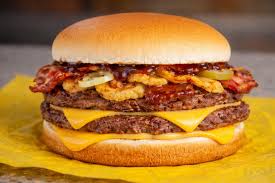
The main reasons fast food prices are going up include higher ingredient costs, increased labor expenses, and supply chain issues. These factors combine to make it more expensive for restaurants to operate.
What’s Driving the Fast Food Price Hike?
Let’s get right to it. When you see those prices climb, it’s usually a mix of things happening behind the scenes. Think of it like a recipe.
Several ingredients go into making that burger and fries affordable. When one or more of those ingredients becomes more costly, the whole dish gets more expensive.
The biggest players affecting menu prices are the things that go into making the food and the people who make it. We also have to consider how food gets from the farm to your plate. It’s a complex journey, and any hiccup along the way can ripple into higher costs.
Understanding these drivers helps explain why your favorite combo meal costs more than it used to. It’s not just one thing; it’s a perfect storm of economic pressures affecting the entire fast-food industry. We’ll dig into each of these in more detail.
Ingredients Cost More These Days
The beef in your burger, the potatoes for your fries, the wheat for your buns – all these basics cost more now. Farming itself is more expensive for growers. They face higher bills for fuel, fertilizer, and animal feed.
For example, the cost of grain to feed cattle has been on the rise. This directly impacts the price of beef. Similarly, the cost to grow and transport vegetables like lettuce and tomatoes has gone up.
Weather patterns can also play a big role. A drought or a flood in a major growing region can reduce supply and push prices higher for everyone.
Even everyday items like cooking oil and dairy products can see price jumps. These smaller increases add up. When every single ingredient on the menu costs more, the restaurant has to adjust its prices to stay in business.
They can’t absorb all those rising costs forever.
This isn’t just a small bump. We’ve seen pretty significant increases in the cost of many raw food items over the past few years. It makes sourcing the same quality ingredients a bigger financial challenge for fast-food chains.
They are constantly looking for ways to manage these costs without sacrificing the taste customers expect.
Key Ingredient Cost Factors
Fuel Costs: Higher gas and diesel prices mean more expensive transportation for all ingredients.
Fertilizer & Feed: The cost of what farmers use to grow crops and feed animals has increased.
Weather Events: Unpredictable weather can damage crops, reducing supply and raising prices.
Global Demand: Increased demand for certain food products worldwide can also affect U.S. prices.
Paying More for the People Who Make Your Food
Another huge part of the cost for any fast-food restaurant is its staff. Wages have been going up in many places. This is partly due to minimum wage increases and also due to competition for workers.
Restaurants often have to offer more to attract and keep good employees.
Think about it. A restaurant needs cooks, cashiers, and managers. If it’s harder to find people willing to work those jobs, employers have to pay more.
This is especially true in busy areas or regions with a strong job market. Labor costs can be a very large portion of a restaurant’s total expenses.
Beyond just hourly pay, there are also costs for benefits, training, and managing the team. When these labor expenses rise, restaurants look for ways to cover them. Raising menu prices is one of the most direct ways they can do this.
This trend isn’t unique to fast food. Many service industries are seeing similar pressures. But for fast food, where margins can be tight, even a small rise in labor costs can have a big impact on the bottom line.
Customers often feel this impact through higher prices on their favorite meals.
Labor Cost Breakdown
Higher Wages: Minimum wage laws and market competition push hourly pay up.
Benefit Costs: Providing health insurance or other benefits adds to employer expenses.
Training Expenses: Onboarding and training new employees requires time and money.
Staff Retention: Offering better pay and conditions to keep good staff can be costly.
Supply Chain Snags Add Up
The journey of food from farm to your hands is a complex chain. It involves many steps: harvesting, processing, packaging, transporting, and finally, stocking at the restaurant. This is called the supply chain.
Recently, this chain has faced many disruptions.
Global events, like pandemics, can cause temporary shutdowns of factories or ports. Bad weather can disrupt shipping routes. Even a shortage of truck drivers can slow things down.
When any part of this chain breaks or slows down, it causes delays and increases costs.
Imagine your fries. Potatoes are harvested, sent to a factory to be cut and maybe frozen, then loaded onto trucks, driven to a distribution center, then driven to the restaurant. If there aren’t enough trucks or drivers, or if the processing plant is short-staffed, those fries get to the restaurant later and cost more to get there.
This unpredictability means restaurants might have to pay more for a guaranteed delivery. They might also face shortages of certain items, forcing them to use more expensive alternatives or adjust their menus. These inefficiencies and extra costs inevitably find their way to the customer’s bill.
It makes planning and budgeting much harder for everyone involved.
Supply Chain Challenges
Transportation Delays: Fewer trucks or ships can move goods quickly and cheaply.
Labor Shortages: Workers are needed at every step, from farm to truck to restaurant.
International Issues: Global trade problems can affect the availability of certain ingredients.
Storage & Handling: Keeping food fresh during long or uncertain transit adds cost.
My Own “Oh No” Moment with Prices
I remember one sweltering summer afternoon a couple of years ago. I was on a long road trip, miles from home, and my stomach started rumbling. I spotted a familiar golden arch and thought, “Perfect!
Quick and easy.” I pulled into the drive-thru, expecting my usual order – a classic cheeseburger, fries, and a small soda.
When the cashier told me the total, my jaw practically hit the steering wheel. It was nearly double what I usually paid. I blinked, sure I’d misheard.
“Did you say. X dollars?” I asked, repeating the number back. She just nodded, a little sadly, and said, “Yep, prices have gone up.”
I felt this weird mix of annoyance and confusion. It was just a burger, right? How could it cost so much?
I paid, feeling a pang of guilt, and drove off. For the rest of the drive, I couldn’t stop thinking about it. It wasn’t just about the money.
It felt like a little piece of a simple pleasure had changed. It made me realize how much these everyday costs can sneak up on you when you’re not paying close attention.
That experience stuck with me. It pushed me to really look into fast food prices increase and understand the forces at play. It’s easy to get frustrated, but knowing the ‘why’ makes it a little easier to accept and plan for.
It also made me appreciate the restaurants that are trying to keep things more affordable, even with these pressures.
Menu Changes and How They Affect You
It’s not just the prices of the same old items that are changing. Sometimes, restaurants tweak their menus to manage costs. They might remove less popular, but ingredient-heavy, items.
They might also simplify offerings to streamline operations and reduce waste.
For example, a chain might drop a complex salad with many exotic toppings. It’s easier to manage a menu with fewer, more common ingredients. This helps them buy in larger quantities, potentially getting better prices.
It also means less specialized training for staff and less chance of running out of a specific item.
Another strategy is “shrinkflation.” This isn’t really about a price increase on the menu, but you get less product for the same or a slightly higher price. A burger might be a little smaller, or a serving of fries might be less full. This is a subtle way for companies to increase their revenue without changing the sticker price as dramatically.
Sometimes, restaurants will introduce “value” items or meal deals. These are meant to give customers a perceived discount. However, the base prices of other items on the menu might still be high.
It’s all about how they present the options to you. The goal is to keep you coming back, even as the overall cost of doing business rises.
Menu Strategy Insights
Simplification: Fewer items mean easier inventory and training.
Core Item Focus: Highlighting popular, profitable items.
Shrinkflation: Offering less product for the same price.
Value Deals: Bundling items to create a perceived discount.
The Role of Technology and Automation
You might think technology only makes things cheaper. But adopting new tech can also involve big upfront costs. Restaurants are investing in things like self-order kiosks, improved kitchen equipment, and apps for ordering and delivery.
These investments are often made to improve efficiency, speed up service, and potentially reduce labor needs in the long run. However, the initial outlay for these technologies can be substantial. Companies often pass these costs onto consumers through higher prices.
Think about a new, high-tech fryer or a system that automates drink refills. These are expensive pieces of machinery. The restaurant needs to recoup that investment over time.
They also need to pay for the software, maintenance, and training to use these new systems effectively.
While automation promises future savings, the present reality often involves increased spending to implement it. This spending can contribute to the overall pressure to raise prices. So, even as we see more tech in fast food, it doesn’t always mean immediate price drops for us.
Inflation and the Economy
Beyond the specific costs for fast-food companies, the general economic climate plays a huge role. Inflation is a broad term that means the general increase in prices and fall in the purchasing value of money. When inflation is high, everything costs more.
This isn’t just about burgers. Inflation affects the price of gas for your car, the cost of electricity for your home, and the price of groceries at the supermarket. Fast food restaurants are not immune to these wider economic trends.
They are deeply affected by the same inflationary pressures that impact households.
When the economy heats up, demand for goods and services increases. If supply can’t keep up, prices tend to rise. Central banks often try to manage inflation, but it can take time to see the effects.
In the meantime, businesses must adjust their own pricing to stay afloat.
So, when you see those fast food prices creeping up, remember it’s often part of a larger economic story. The general rise in the cost of living makes it more expensive for restaurants to operate, and they have to reflect that in their pricing. It’s a tough cycle for both businesses and consumers.
Economic Factors Impacting Prices
General Inflation: A broad rise in the cost of goods and services.
Consumer Demand: High demand can outstrip supply, leading to price increases.
Interest Rates: Higher rates can make borrowing money more expensive for businesses.
Government Policies: Regulations or taxes can also add to operating costs.
What This Means for Your Budget
Seeing fast food prices increase means you might need to rethink your fast-food habits. It used to be the go-to for a cheap and easy meal. Now, it’s becoming more of a treat or a planned expense.
Many people are finding that cooking at home more often saves them money. Even simple meals prepared at home can be significantly cheaper than a fast-food combo. You have more control over ingredients and can buy in bulk when prices are lower.
If you do choose fast food, it might be about being more selective. Perhaps you opt for a smaller meal, skip the expensive drinks, or look for specific deals. Loyalty programs and coupons can also offer some savings, but they don’t always offset the overall price increases.
It’s also worth considering different types of restaurants. Some places that are not traditionally “fast food” might offer better value. Think about local diners or certain ethnic restaurants where prices might be more stable.
Ultimately, it’s about adjusting expectations. Fast food might not be the budget-friendly option it once was for regular meals. It requires more conscious decision-making to fit it into your spending plan.
When is it “Normal” vs. “Concerning”?
Some price changes are just part of the economic cycle. A small, gradual increase over time is normal. This happens as businesses face slight rises in their operating costs.
We expect to see some price adjustments year to year.
What might be concerning is when prices jump drastically and suddenly, or when the portion sizes seem to shrink noticeably while the price stays the same or goes up. If you find that your regular fast-food budget is suddenly not enough for the same number of meals, that’s a sign that the increases are significant.
Another indicator is if you start noticing that fast food is often more expensive than eating at a sit-down restaurant for a comparable meal. This would be unusual and might suggest specific issues within the fast-food sector or your local market.
It’s also worth paying attention to the overall value. Is the quality of the food still good? Is the service decent?
If prices are up but the experience is declining, that’s a double concern. It means you’re paying more for less, in every sense.
Spotting Price Changes
Normal: Gradual, small increases over several months or a year.
Normal: Prices reflecting general inflation across many goods.
Concerning: Large, sudden price hikes on single items.
Concerning: Significant reduction in food portion size without a price drop.
Concerning: Fast food becoming more expensive than many casual dining options.
Quick Tips for Managing Your Fast Food Spending
While prices have gone up, there are still ways to be smart about eating fast food. It’s about being a savvy consumer.
Use Apps and Loyalty Programs: Many chains offer apps that give you access to special deals, discounts, and rewards. Signing up for their loyalty programs can earn you free food or discounts over time. These are often the best way to get a lower price.
Look for Value Menus: Even with higher prices, most places still have a value menu. These items are usually smaller but significantly cheaper. They can be a good option if you just need a quick bite.
Order Smart: Sometimes, ordering individual items instead of a combo meal can be cheaper. Or, a different combo might be less expensive. Always check the prices of the items you want.
Skip the Extras: Drinks can add a lot to your bill. Bringing a reusable water bottle and filling it up at home can save you money. Also, consider if you really need that extra sauce or dessert.
Plan Your Visits: Don’t just stop because you’re hungry. Plan your fast-food meals as part of your weekly budget. Decide beforehand where you’ll go and what you’ll order to avoid impulse spending.
Consider “Off-Peak” Times: Sometimes, certain deals or promotions are only available during slower hours or on specific days of the week. Check the restaurant’s offerings.
Smart Spending Strategies
- Download restaurant apps for deals.
- Join loyalty programs for rewards.
- Check the value menu for cheaper options.
- Compare combo prices versus individual items.
- Bring your own drink or water bottle.
- Limit impulse add-ons like desserts or extra sauces.
- Plan fast-food meals into your weekly budget.
Frequent Questions About Rising Fast Food Costs
Why have burger prices increased so much lately?
Burger prices have increased due to a combination of factors. These include higher costs for beef, buns, and other ingredients. Labor expenses for employees and supply chain disruptions also play a significant role.
Overall inflation in the economy also pushes prices up.
Is fast food becoming more expensive than eating at home?
For many people, fast food is indeed becoming more expensive than preparing meals at home. Home-cooked meals allow for bulk buying and avoiding restaurant overhead, often resulting in lower costs per serving. However, convenience is still a factor for fast food.
Are portion sizes getting smaller while prices get bigger?
This practice is called “shrinkflation.” While not every restaurant does it, some have reduced portion sizes or made items slightly smaller to help offset rising costs. This means you may be paying more for less food in some cases.
How do labor shortages affect fast food prices?
Labor shortages force restaurants to offer higher wages and better benefits to attract and retain staff. These increased labor costs are often passed on to customers through higher menu prices to maintain profitability.
Will fast food prices continue to rise?
It’s likely that fast food prices will continue to see some increase, especially if ingredient costs, labor expenses, and general inflation remain high. However, the rate of increase might slow down if economic conditions stabilize. Restaurants also try to balance price increases with maintaining customer volume.
What can consumers do to combat rising fast food prices?
Consumers can combat rising prices by cooking more at home, utilizing restaurant apps and loyalty programs for discounts, ordering from value menus, and being mindful of impulse purchases. Planning meals and sticking to a budget are also key strategies.
Wrapping Up: Navigating Higher Prices
It’s clear that fast food prices increase is a complex issue driven by many economic forces. From the farm to the kitchen, costs are rising. While it can be frustrating, understanding these reasons helps us make smarter choices.
Fast food might be shifting from an everyday cheap option to more of a planned treat. By staying informed and using smart strategies, we can still enjoy our favorites without breaking the bank.